
Last updated October 17, 2026
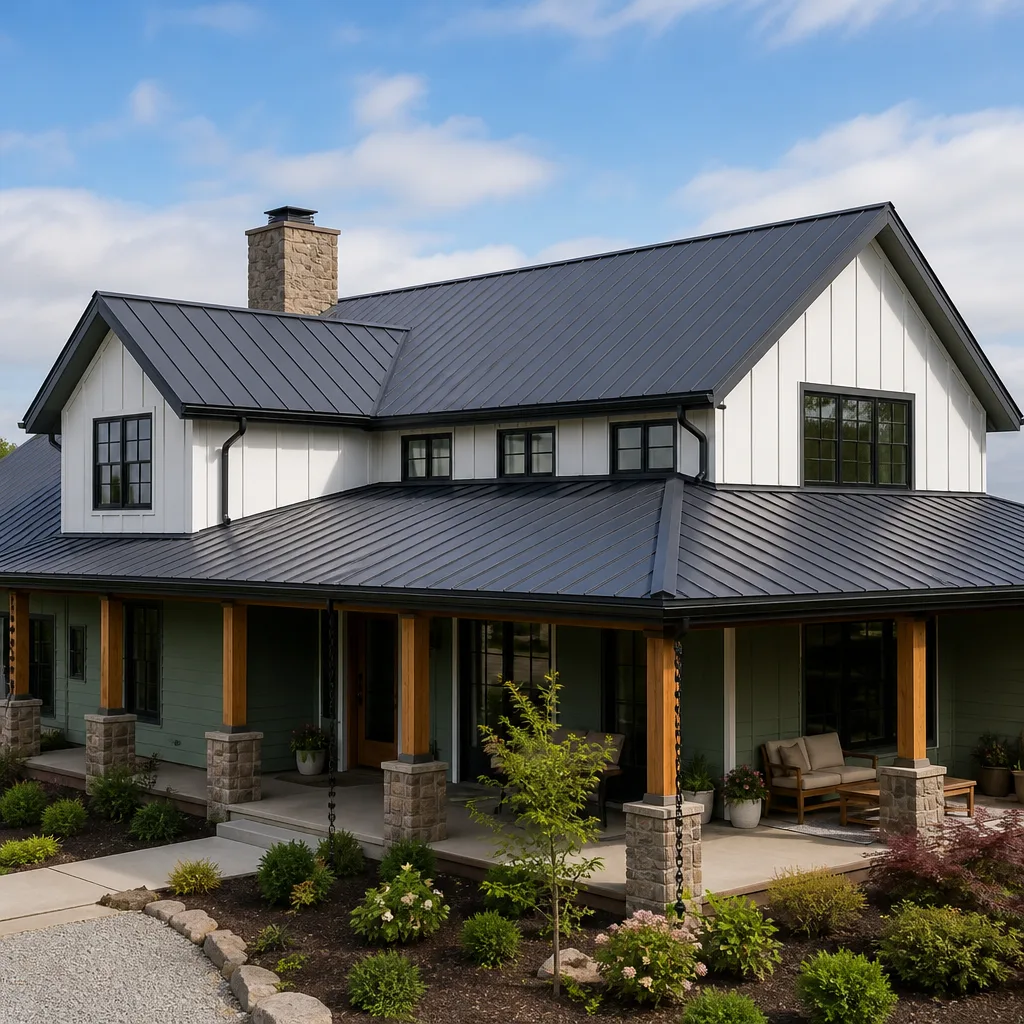 Metal roofing
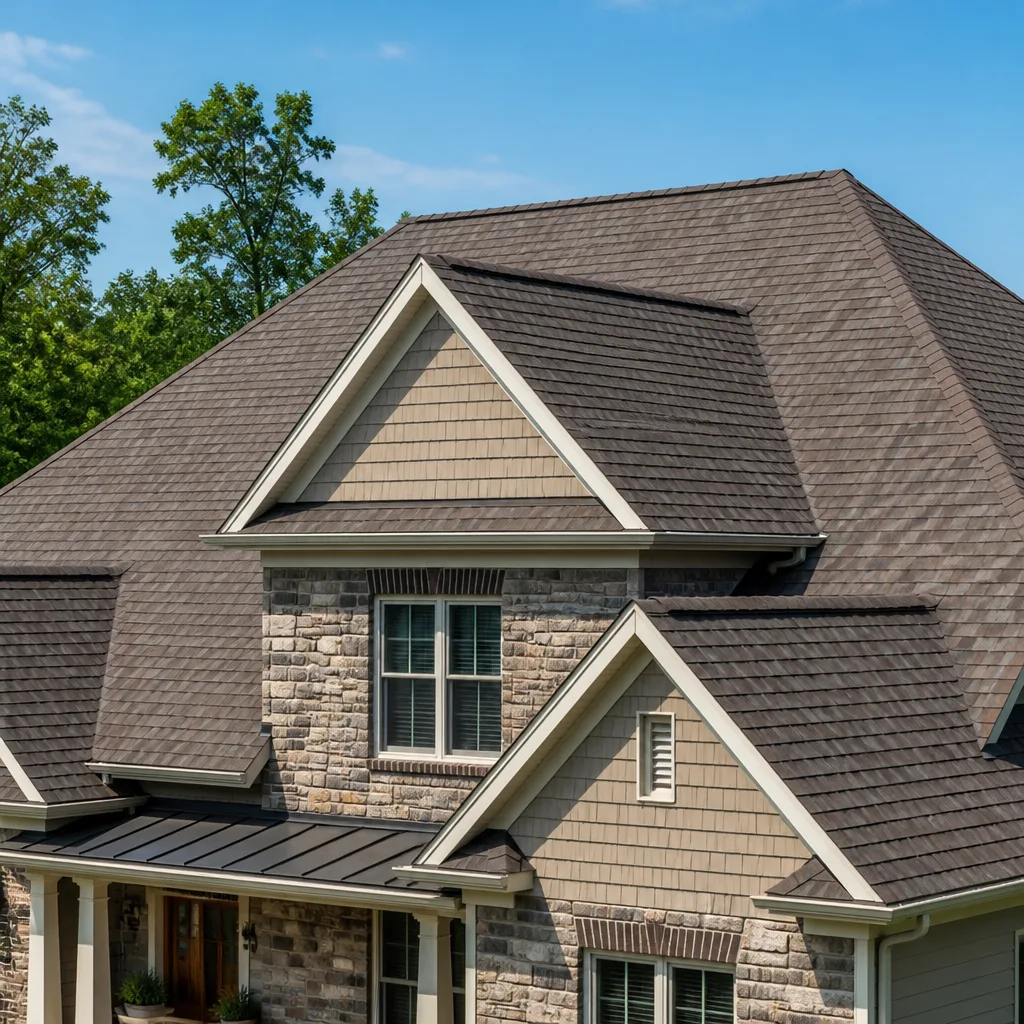 Architectural shingles
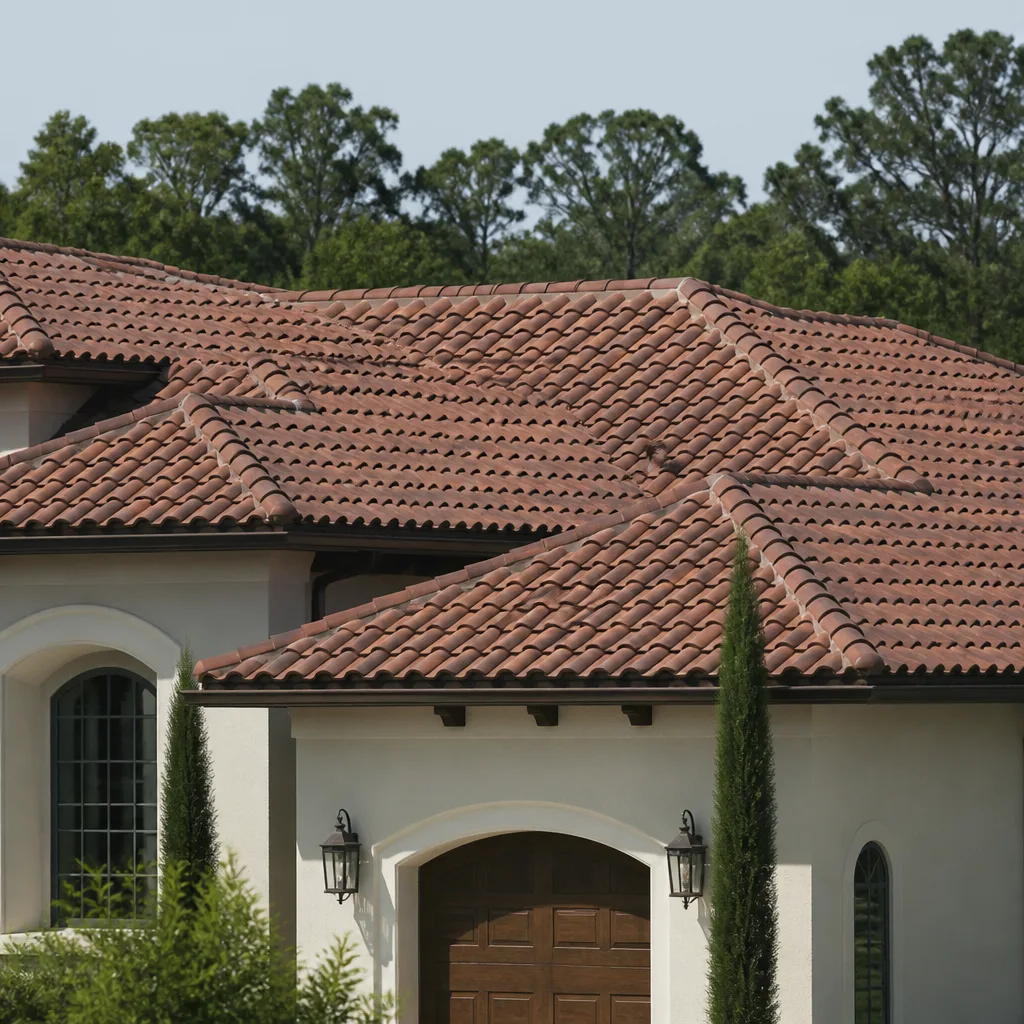 Tile roofing
 GAF
GAF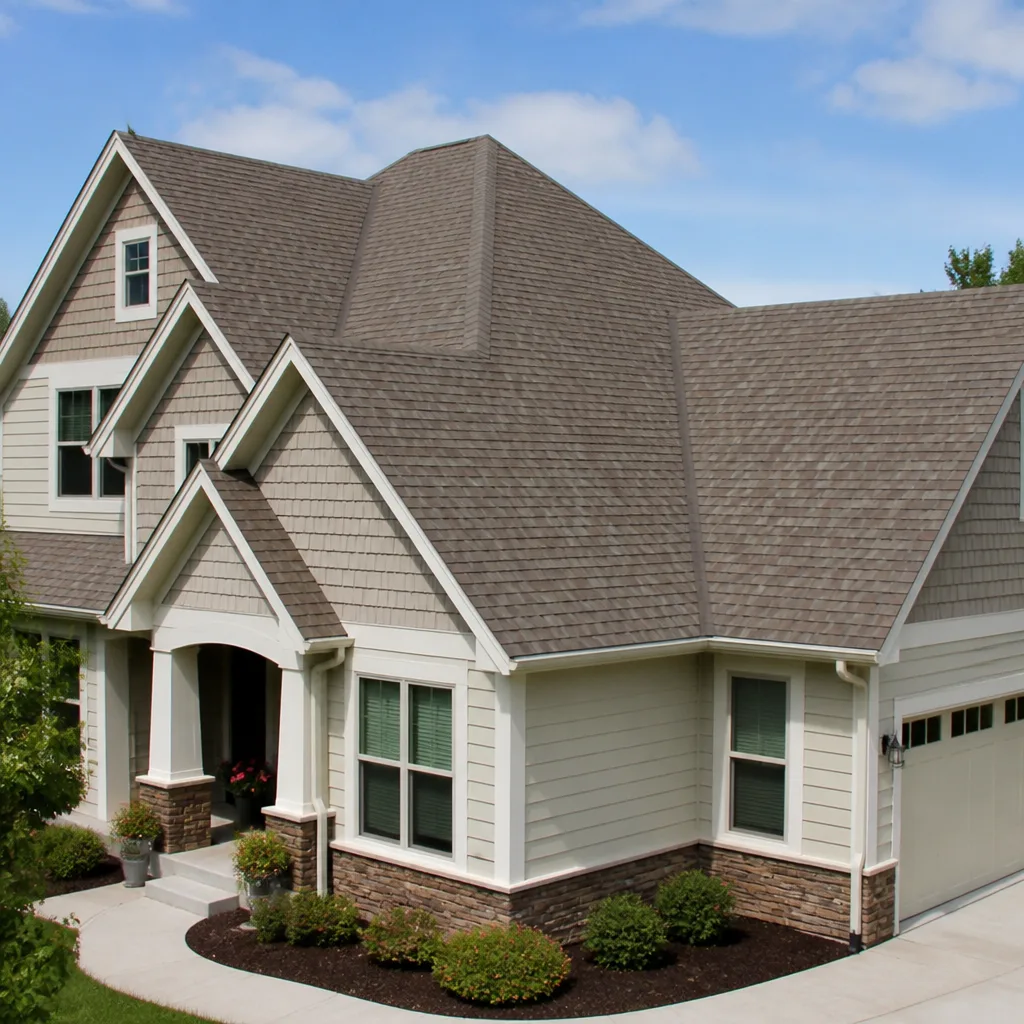 Owens Corning
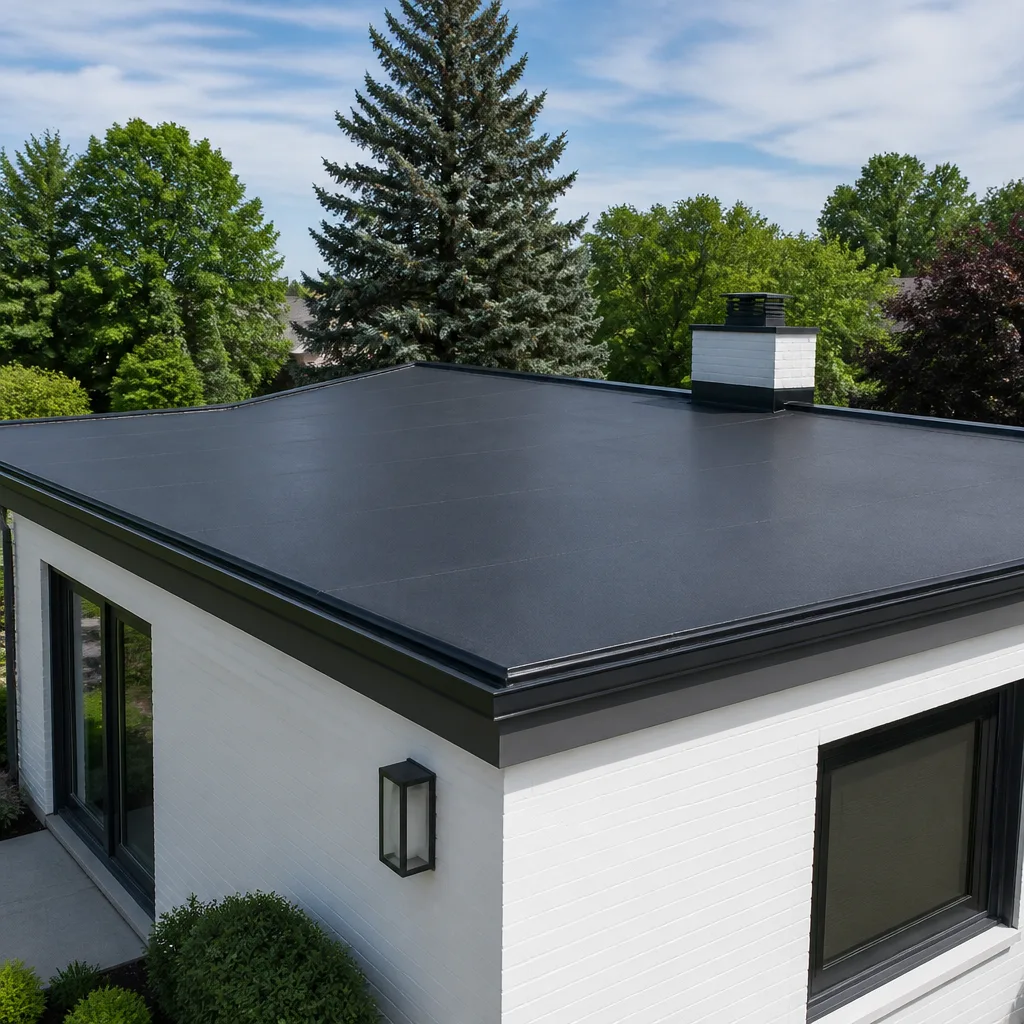 Flat & low-slope
Free roof inspection with deck photos before we talk money - GAF and Owens Corning certified installation
How to Hire a Roofing Contractor in Santa Clarita: A Step-by-Step Guide
California is one of the most heavily regulated states for contractors, which means every legitimate roofer working in Santa Clarita should carry a CSLB license. But here’s what nobody tells you: a license proves the person can legally work on your roof. It says nothing about whether the crew that actually shows up works directly for the company you hired, whether your quote will survive contact with day two of the job, or whether anyone will answer the phone in six months if a leak comes back. This guide-along with our more guides & resources-walks you through the questions most Santa Clarita homeowners never think to ask until something goes wrong. By the end, you’ll know exactly how to separate a roofer who puts everything in writing from one who’s hoping you won’t ask.
Styles & brands we work with
Quick Answer
To hire a roofing contractor in Santa Clarita, verify their CSLB license (classification C-39 for roofing), get three written bids with itemized line-item pricing, require a change-order clause and a written completion date in the contract, and confirm who specifically will perform the work, not just who signs the contract. The right contractor puts the price in writing before work starts and backs repairs with a written guarantee.
Table of Contents
- Step 1: Verify the CSLB License and Understand C-39 Classification
- Step 2: Dedicated Roofing Contractor vs. General Contractor Who Subs Roofing
- Step 3: How to Spot Storm Chasers and Out-of-Area Crews in Santa Clarita
- Step 4: The Three Contract Terms That Protect You If the Job Runs Over
- Step 5: How to Compare Three Bids When the Scopes of Work Don’t Match
- Step 6: Ten Questions to Ask Every Roofer Before Signing
- Step 7: Santa Clarita-Specific Factors That Affect Your Roofing Job
- Common Mistakes to Avoid
- When to Call a Professional
- Frequently Asked Questions
- The Bottom Line
Step 1: Verify the CSLB License and Understand C-39 Classification
Every roofing contractor operating legally in Santa Clarita must hold a license issued by the California Contractors State License Board (CSLB). The verification process takes about 60 seconds. Go to the CSLB website, enter the license number or business name, and check three things: the license is active (not suspended or expired), the classification includes C-39 (Roofing), and the license has no active disciplinary actions or recent complaints.
The classification code matters more than most homeowners realize. A C-39 license is specifically for roofing contractors. A general building contractor (B license) can legally take on a roofing project as part of a larger remodel but is not a dedicated roofer. And a B-license holder who subs the roofing work to someone else introduces a layer of distance between you and the person on your roof. When you hire a C-39 contractor, you’re hiring a specialist whose entire license category exists for one trade.
Check the workers’ compensation insurance status on the CSLB record too. Roofing is high-risk work, and if a worker falls and the contractor doesn’t carry workers’ comp, the liability can land on the homeowner’s insurance policy. This is not a hypothetical. It happens regularly in Santa Clarita, especially after storm seasons when unlicensed or underinsured crews flood the market.
Step 2: Dedicated Roofing Contractor vs. General Contractor Who Subs Roofing
Santa Clarita’s post-storm market is busy, and busy markets attract general contractors willing to take on any job. A general contractor who subs roofing work can produce a perfectly good roof. The problem is accountability. When three different companies touch your project, and something goes wrong a year later, you’ll find yourself in a game of phone tag between the general contractor and the sub who actually did the work.
A dedicated roofing contractor like Crestview Roofing Co Santa Clarita home handles the work with its own crew. That means the person who quotes the job, the person who supervises the work, and the person who answers the phone when you call with a question six months later all work for the same company. This is a structural advantage, not just a preference. It’s why we handle roof repair in Santa Clarita with a single accountable team from first inspection to final walkthrough.
Ask every contractor you interview: “Who exactly will perform the work, and do they work directly for you or as a subcontractor?” If the answer involves a sub, ask for the sub’s name, license number, and whether the sub’s guarantee is in writing and enforceable against the company you signed with. Too many homeowners discover these details for the first time when a leak reappears.
Step 3: How to Spot Storm Chasers and Out-of-Area Crews in Santa Clarita
Santa Clarita’s position at the edge of wildfire zones and its hot, dry summers followed by occasional heavy rain create a predictable pattern. After a fire or a significant storm, out-of-area crews arrive with ladders, flyers, and promises of fast work. Some are legitimate. Many are not.
Here’s a checklist to evaluate anyone who knocks on your door offering roofing work:
- Local address or PO box? A contractor with no physical presence in Santa Clarita or the surrounding SCV is harder to hold accountable when a repair fails.
- License plate state. Out-of-state plates and out-of-area phone numbers are a signal to dig deeper, not an automatic disqualification.
- Door-to-door solicitation. Legitimate Santa Clarita roofers are typically busy enough that they don’t need to go door-to-door after a storm. A knock on your door right after a wind event deserves skepticism.
- Pressure to sign today. Any roofer who needs a signature before allowing you to verify their license or compare another bid is telling you something valuable about how they’ll behave after the contract is signed.
In our experience, homeowners in neighborhoods like Valencia, Canyon Country, and Newhall see the highest concentration of storm chasers in the weeks after a significant weather event. The SCV’s geography creates pockets of severe wind and hail damage while other parts of the city remain untouched, which is exactly the kind of conditions door-to-door roofers look for.
Step 4: The Three Contract Terms That Protect You If the Job Runs Over
Most roofing disputes in Santa Clarita come down to three things: the price changed, the scope changed without agreement, or the completion date came and went. All three are preventable with three contract terms that should appear in every roofing contract you sign.
- Itemized line-item pricing. A quote that says “roof replacement: $18,500” tells you nothing. A quote that breaks down decking repair per sheet, underlayment per square, shingle cost per square, flashing, ventilation, and disposal gives you a basis to compare bids and a document to hold the contractor to. Any roofer unwilling to itemize is telling you they want the freedom to adjust numbers later.
- A change-order clause. This is a written term that says any change to the scope or price must be documented in a written change order signed by you before the work proceeds. It prevents the classic day-two surprise: “we found rot under the decking, so that’s an extra $4,000.” A change-order clause doesn’t prevent legitimate discoveries, but it requires them to be documented and approved before the work happens, not billed after.
- A written completion date. Not an estimate. Not “weather permitting, probably two weeks.” A specific date in the contract with defined consequences or at minimum a documented process if the date can’t be met. Roofing timelines shift for weather, material availability, and permit delays. But a contractor who won’t commit to a date in writing is a contractor who plans to prioritize other jobs ahead of yours.
The Relay Visibility Guarantee governs every roof replacement in Santa Clarita we complete, which means a written price before any work begins, photo documentation before and after, and a digital invoice sent by text. If you’re comparing contractors and one of them offers this level of documentation while another doesn’t, that’s information worth weighing heavily.
Step 5: How to Compare Three Bids When the Scopes of Work Don’t Match
You’ve collected three quotes from Santa Clarita roofers. One says $12,400, one says $15,800, one says $19,200. The spread looks enormous until you realize the scopes of work are written differently. One includes replacing all flashing. One includes new gutters. One assumes the existing decking is fine and will only bill for rot on a per-sheet basis.
Here’s the apples-to-apples translation method we recommend:
- List every component of a roofing job in a simple table: shingles or tile, underlayment, decking repair allowance, flashing, vents, pipe boots, gutters, disposal, permits.
- Go through each bid and note what’s included, what’s excluded, and what’s priced as an allowance. An unlisted component doesn’t mean it’s free. It means it’s not priced, which means it will likely become a change order later.
- Call each contractor and ask about the exclusions. “Your bid doesn’t mention flashing. Is that included?” Too many homeowners skip this step and discover the answer after the contract is signed.
- Ask each contractor to confirm the brand and grade of materials. A bid using GAF or CertainTeed architectural shingles is pricing different product than a bid using basic three-tab. Material brand and grade differences explain a lot of price spread.
At Crestview Roofing, every quote uses itemized line-item pricing specifically so our customers can run this comparison without guesswork. We install and repair using manufacturer-backed materials from GAF, CertainTeed, Owens Corning, and Tamko, and the material line on our quote names the specific product, not just “shingles.”
Step 6: Ten Questions to Ask Every Roofer Before Signing
Here’s the full list of questions we believe every Santa Clarita homeowner should ask, in the order they matter most for protecting your money and your house.
- Is your CSLB license current, and is it C-39 classification? Verify it yourself on the CSLB website, not just from their business card.
- Who will perform the work: your own crew or a subcontractor? If a sub, get the sub’s name and license number and confirm the guarantee is enforceable against the company you’re signing with.
- Will you provide itemized line-item pricing before any work starts? If the answer is anything other than an immediate yes, keep interviewing.
- What happens if the price changes mid-job? You want to hear the words “written change order signed by you before any additional work.”
- What’s the completion date, in writing? Ask for it in the contract.
- What’s the warranty on the work, and is it in writing? Material warranties from manufacturers like GAF and CertainTeed cover the product. Workmanship warranty covers the labor. Both should be documented.
- Do you pull permits for this job? In Santa Clarita, re-roofing projects typically require a building permit. A contractor who suggests skipping permits is asking you to accept liability for a code violation.
- What documentation will I receive after the job? You should receive a written invoice, a warranty document, and ideally photo documentation of the completed work.
- Who do I call if something goes wrong in six months? The answer should be a specific name and a specific phone number that’s answered by a real person.
- Is your business local to Santa Clarita or the SCV? This matters for warranty calls, follow-up visits, and accountability. A contractor who disappears back to another county after the job is not one who’ll be fixing a failed flashing detail in January.
Step 7: Santa Clarita-Specific Factors That Affect Your Roofing Job
Santa Clarita’s climate creates specific roofing challenges that a roofer from Los Angeles or Bakersfield won’t understand as well as one who works here every day. Our summers regularly push temperatures past 100 degrees, which accelerates shingle degradation and dries out flashing sealant faster than coastal climates. The Santa Ana winds that sweep through the SCV’s canyons in fall can lift loose shingles, tear at ridge caps, and turn a minor gap in flashing into a significant leak overnight.
Then there’s the geography. Homes in Valencia and Stevenson Ranch sit on hilltops with more wind exposure. Homes in Canyon Country sit closer to wildfire zones, where ember-resistant vents and Class A fire-rated materials are not just nice-to-have features but practical choices for properties that have lived through evacuation orders. A roofer who knows these neighborhoods, who has worked on the specific roof styles common to Santa Clarita’s housing stock from the 1990s and 2000s, brings context that a generic contractor can’t.
Permit requirements matter here too. The City of Santa Clarita requires permits for re-roofing projects, and the inspection process involves city inspectors who verify the work meets California Building Code requirements. A contractor who handles this process start to finish, including scheduling inspections and standing with the inspector, is providing a service you’ll value the week of the job and for years after. For complete roof installation in Santa Clarita projects, Crestview handles the full permit process and inspection coordination as part of the job.
Common Mistakes to Avoid
- Hiring the first roofer who answers the phone. In Santa Clarita’s post-storm surge, the most available contractor is often the one with the least local accountability. Get three bids. Budget the time. The price spread will justify it.
- Accepting a single-line quote. “Roof repair: $2,800” is not a quote. It’s a placeholder with no breakdown of materials, labor, or scope. If you can’t see the line items, you can’t compare or contest anything.
- Skipping the CSLB verification because the roofer seemed professional. Charm and a clean truck are not a substitute for an active C-39 license. Sixty seconds on the CSLB website is the cheapest insurance you’ll ever buy.
- Paying a large deposit upfront. California law caps the down payment for home improvement projects at 10% of the contract price or $1,000, whichever is less. Any contractor asking for more is either unaware of the law or willing to ignore it.
- Not requiring a written warranty. A verbal promise to “come back if anything goes wrong” is worth exactly nothing in a dispute. Get the warranty in writing with specific terms and a specific duration. Our 365-Day Done Right Promise covers every repair for a full year, in writing, at no extra cost, including a free second visit if the repair fails.
- Choosing the lowest bid without comparing scope. The cheapest quote in Santa Clarita is frequently the one that omits flashing replacement, assumes no decking repair will be needed, and prices basic three-tab shingles instead of architectural. By day three, that cheap quote has grown into the most expensive one.
- Signing anything from a door-to-door solicitor without full verification. After a wind event or wildfire, out-of-area crews work the SCV hard. A legitimate local roofer doesn’t usually need to knock on doors to fill a schedule.
When to Call a Professional
If you see water stains on interior ceilings, curling or missing shingles after a wind event, granules collecting in gutters, or daylight visible through attic boards, you need a professional assessment-our Roof Repair Maintenance Checklist for Santa Clarita Homeowners covers what to look for in more detail. These are not conditions that improve with waiting. A small flashing failure caught early is typically a few hundred dollars to repair. The same failure left through a rainy season becomes decking rot, insulation damage, and a four-figure repair bill. Crestview Roofing Co Santa Clarita offers free estimates throughout Santa Clarita. Call (661) 219-7793 to schedule one.
Frequently Asked Questions
Standard roof repairs in Santa Clarita typically run between $350 and $1,800 depending on the scope. Smaller fixes like replacing a few missing shingles or resealing a pipe boot land in the $350-$750 range. Flashing repairs around chimneys or skylights run $800-$1,500. Decking repair due to rot or leaks typically runs $75-$125 per sheet in addition to the base repair cost. Call (661) 219-7793 for an exact quote; estimates are free.
A C-39 classification is the California Contractor State License Board’s specific designation for roofing contractors. It means the license holder passed the roofing trade exam and carries the required bond and insurance for roofing work. A general B license holder can legally perform roofing as part of a broader project, but the C-39 tells you the contractor specializes in roofing and is evaluated by the state on that specific trade.
Price changes during a roofing job are legitimate only when documented through a written change order signed by you before additional work proceeds. Legitimate discoveries happen, like finding rotted decking under old shingles. What’s not legitimate is a contractor discovering that the job costs more than quoted and simply billing you more at the end. A change-order clause in your contract protects you by requiring any price change to be approved in writing before the work is done. Every Crestview Roofing job includes a written price before work starts and a change-order process that requires your signature.
Yes, re-roofing projects in Santa Clarita require a building permit from the City of Santa Clarita; for details, see Roofing Permits, Codes & Inspections in CA: What You Need to Know. The permit process verifies that the work meets California Building Code requirements and includes inspections at specific stages. A contractor who handles permits and coordinates inspections as part of the scope is saving you time and protecting you from code compliance issues.
A standard asphalt shingle roof replacement in Santa Clarita typically takes 2-5 working days depending on roof size, pitch, and whether decking repair is needed. Tile roof replacements run longer, often 5-10 days. Weather delays happen, especially during Santa Ana wind events, which is why a written completion date in your contract matters. It gives you a reference point and a documented process if timelines shift.
A material warranty comes from the shingle manufacturer, brands like GAF or CertainTeed, and covers defects in the shingle product itself. Most manufacturer warranties run 25-50 years on architectural shingles, though specific coverage varies by product line. A workmanship warranty comes from the contractor and covers the labor, meaning if the roof fails because the installation was done incorrectly, the contractor fixes it. Our 365-Day Done Right Promise covers every repair for a full year, in writing, including a free second visit if the repair fails. Call (661) 219-7793 to talk through what’s covered on your specific project.
The Bottom Line
Hiring a roofing contractor in Santa Clarita comes down to verification and documentation. Verify the CSLB license, specifically the C-39 classification, and check for disciplinary actions. Ask who exactly performs the work and whether they’re employees or subs. Require itemized line-item pricing, a written change-order clause, and a written completion date. Compare bids by component, not just by bottom line, and ask the questions that reveal what isn’t listed. The right roofer welcomes every one of these questions because the answers demonstrate why they’re worth hiring. The wrong roofer will try to skip past them.
Written by Dylan Pace, Owner at Crestview Roofing Co Santa Clarita, serving Santa Clarita since 2000.
See the difference
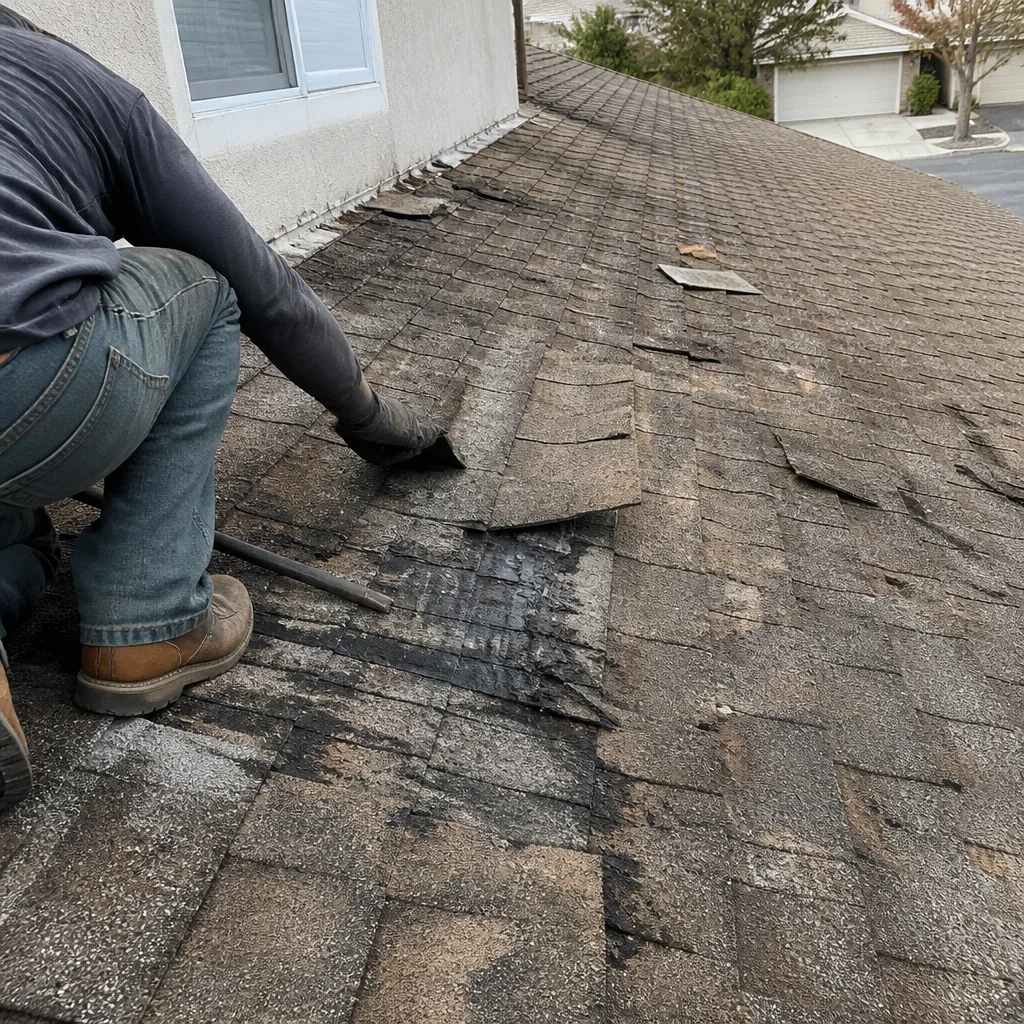 Before
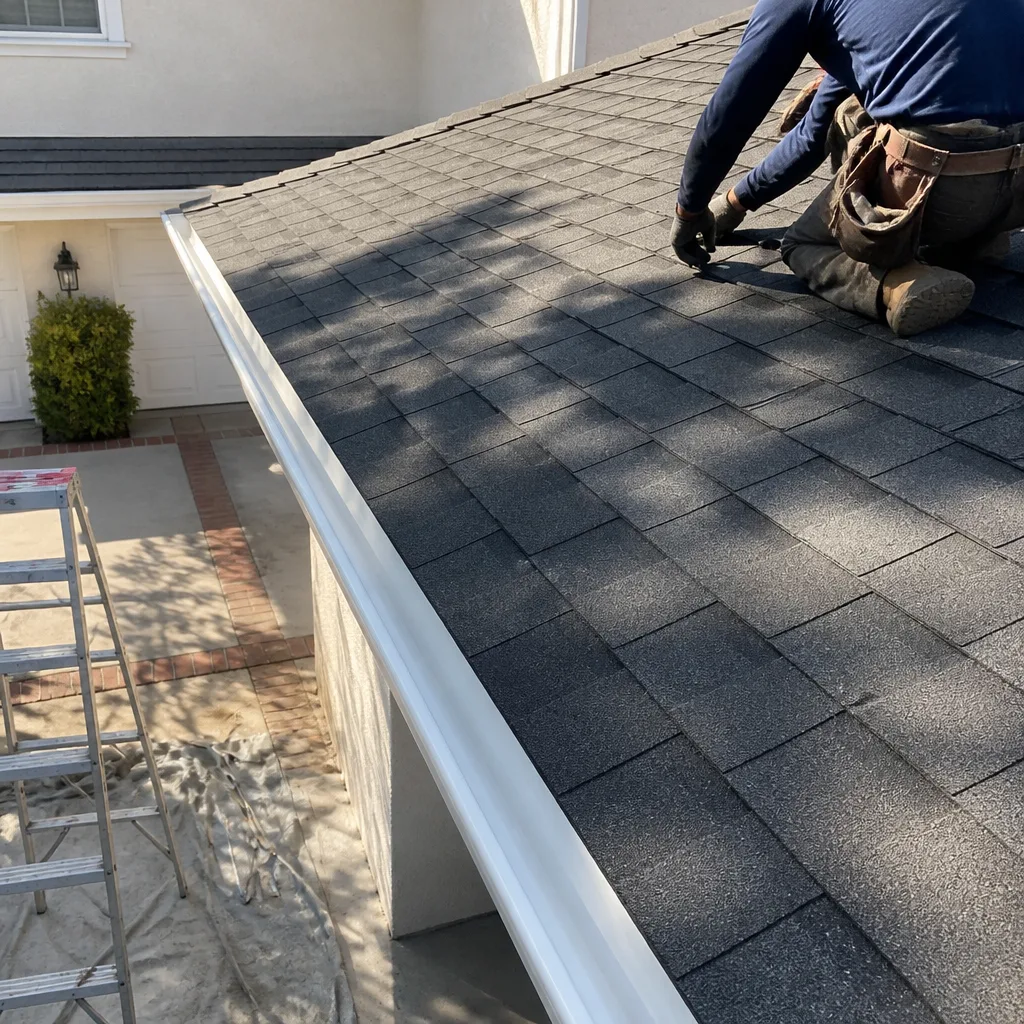 After
After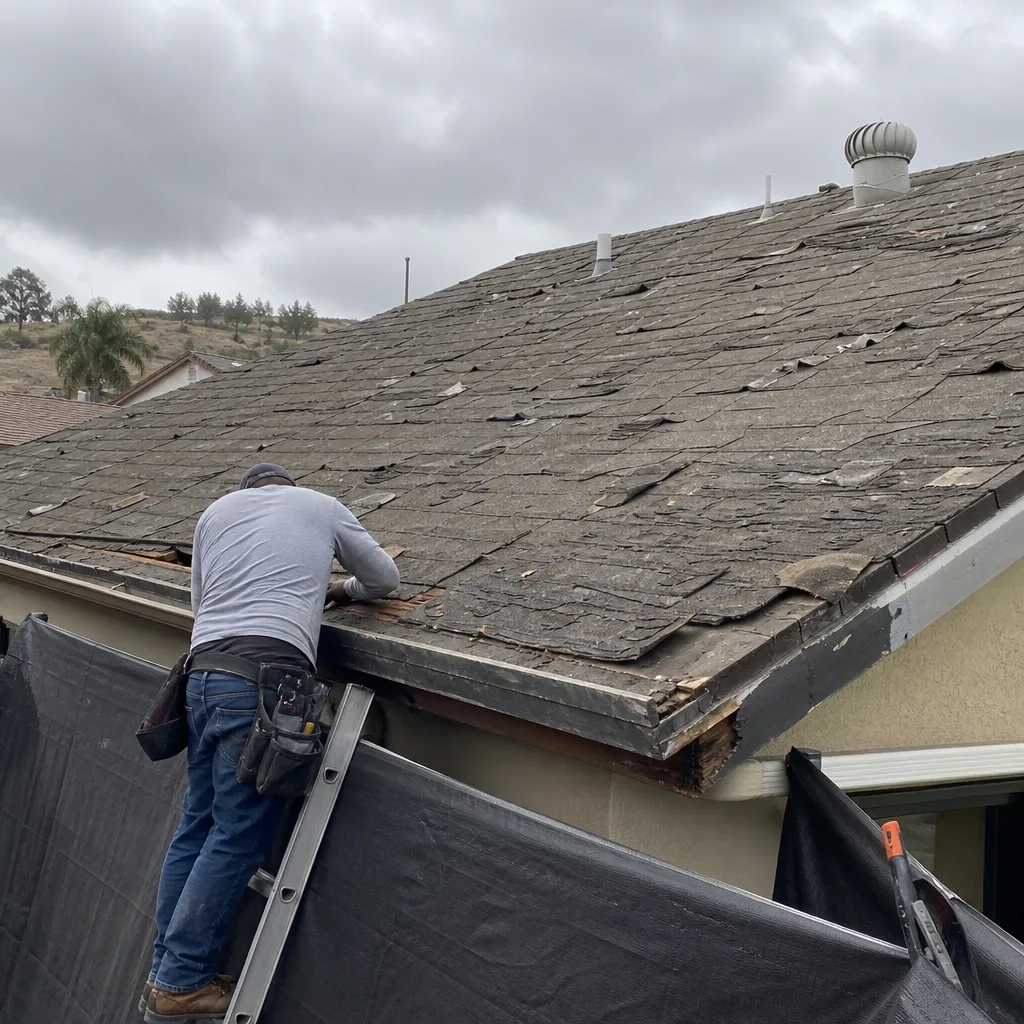 Before
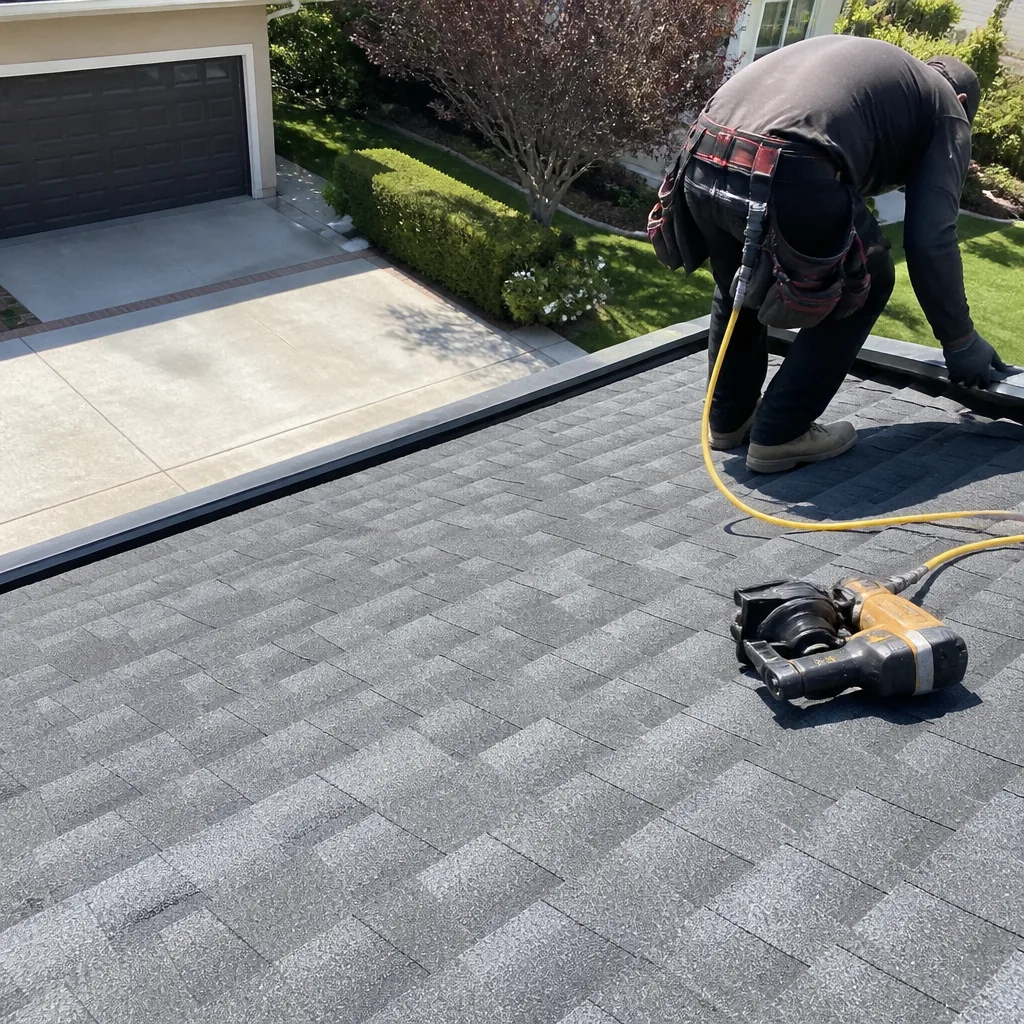 After
After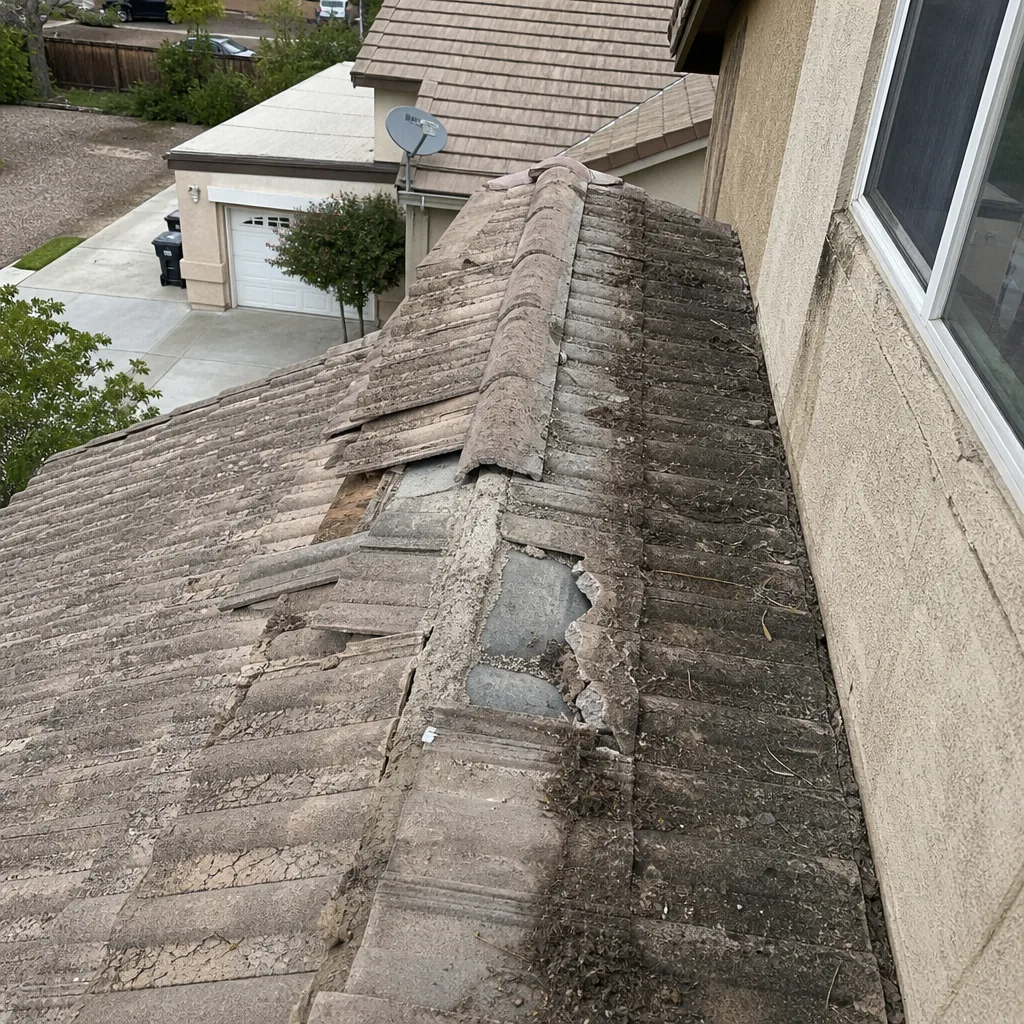 Before
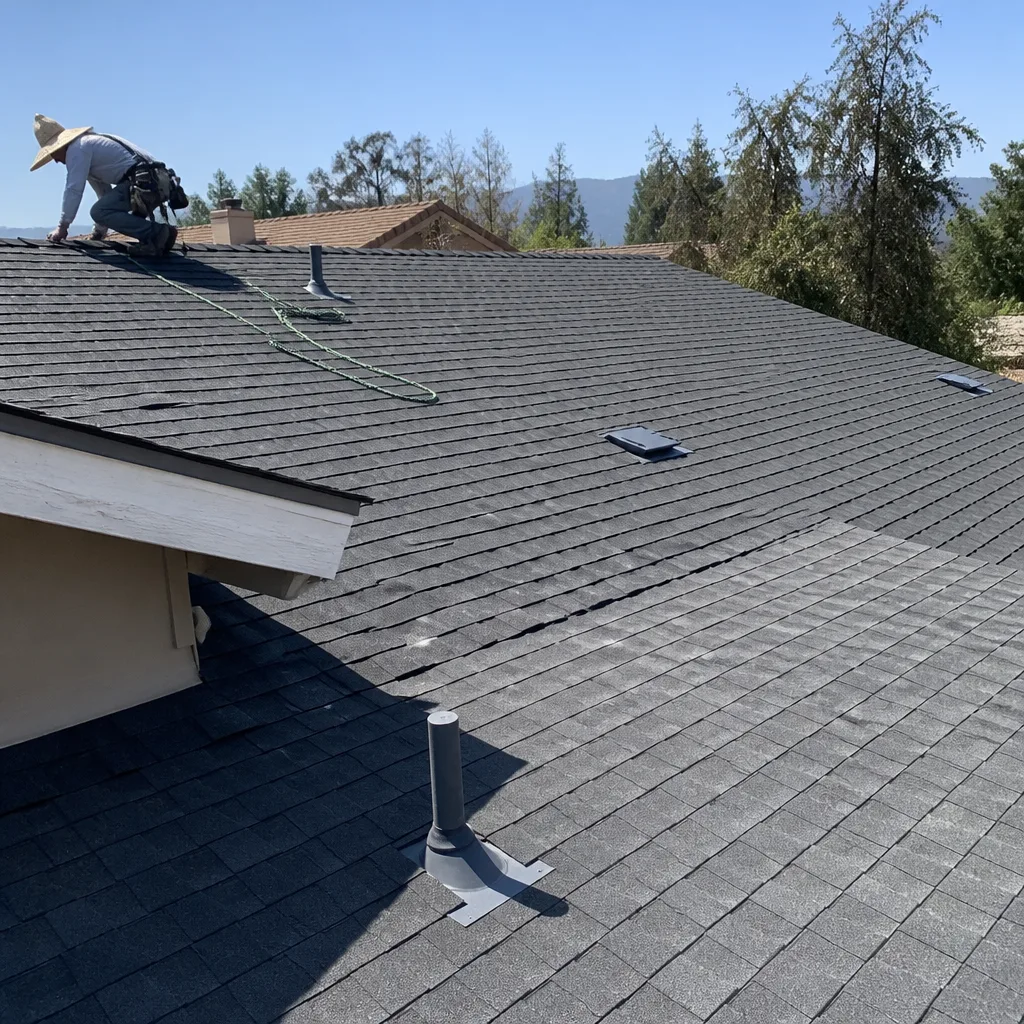 After
After