
Last updated October 17, 2026
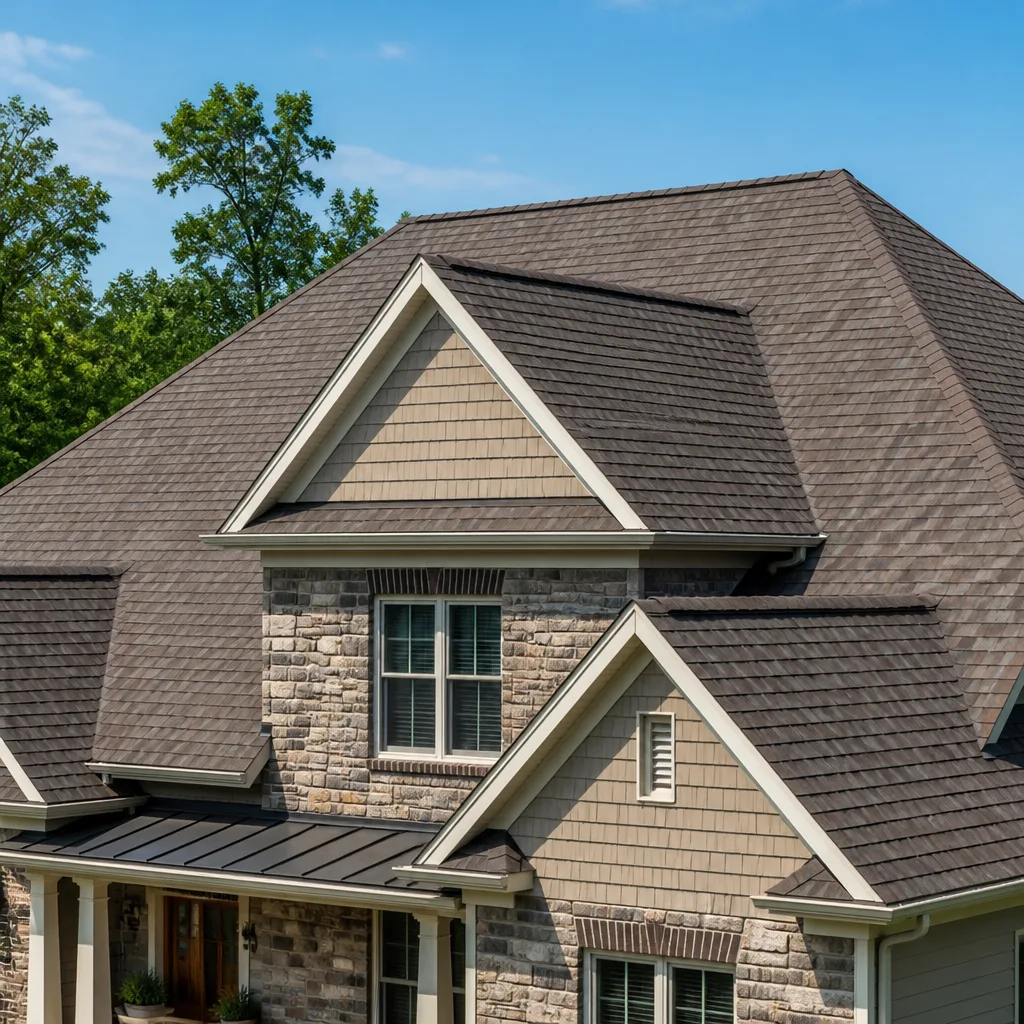 Architectural shingles
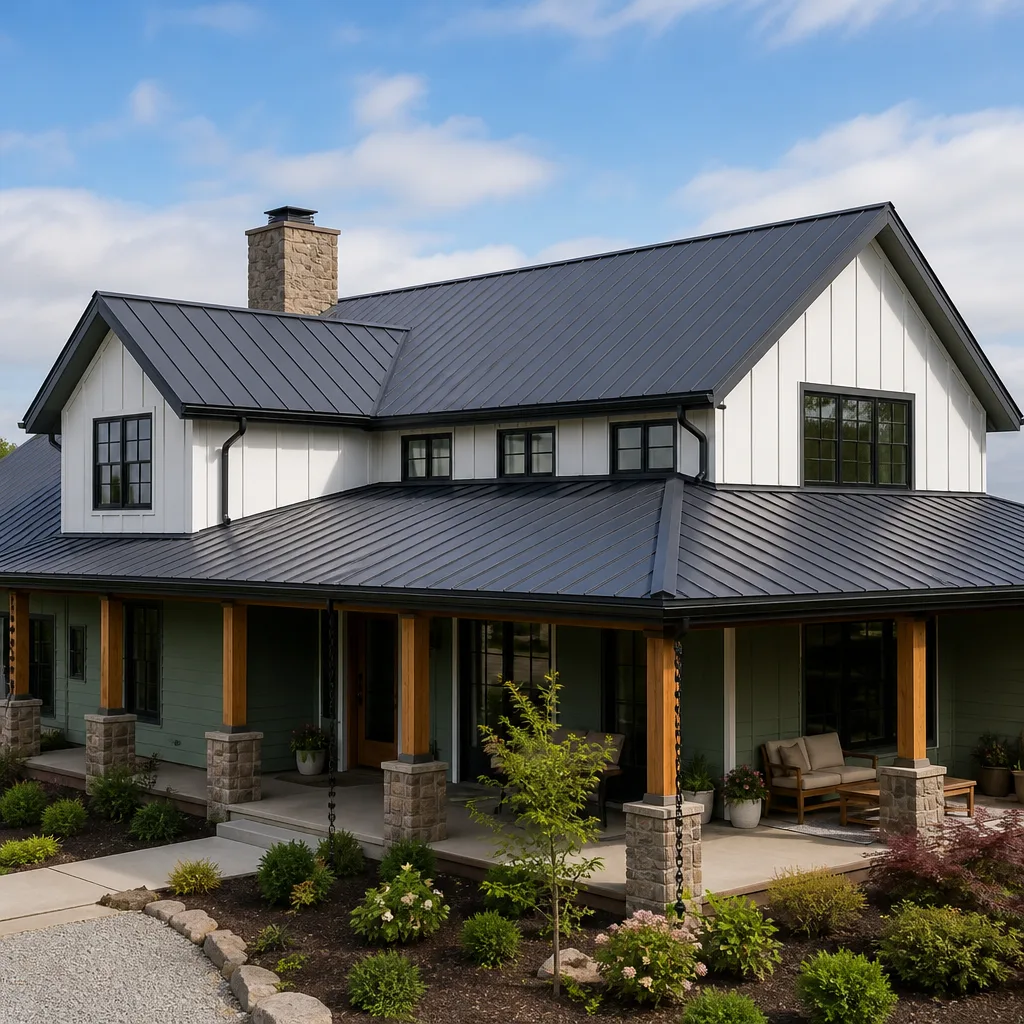 Metal roofing
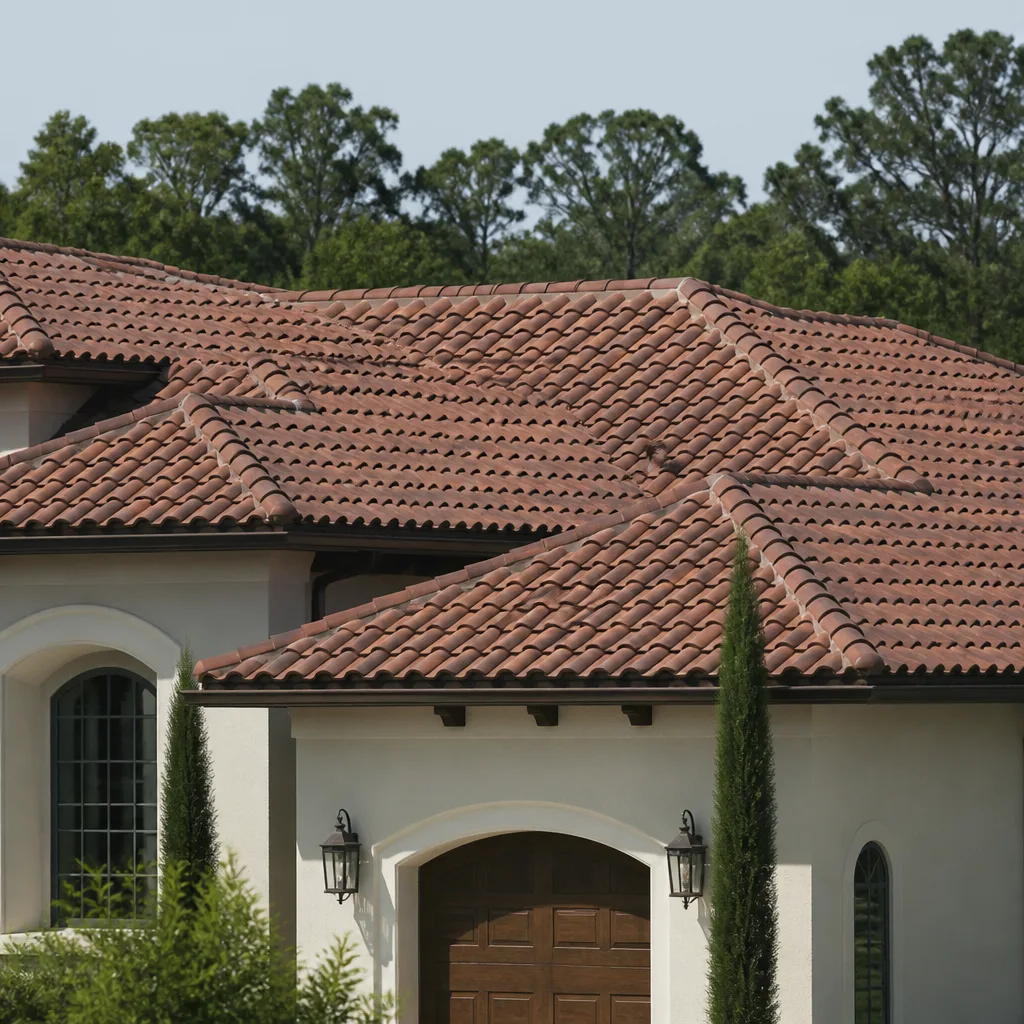 Tile roofing
 GAF
GAF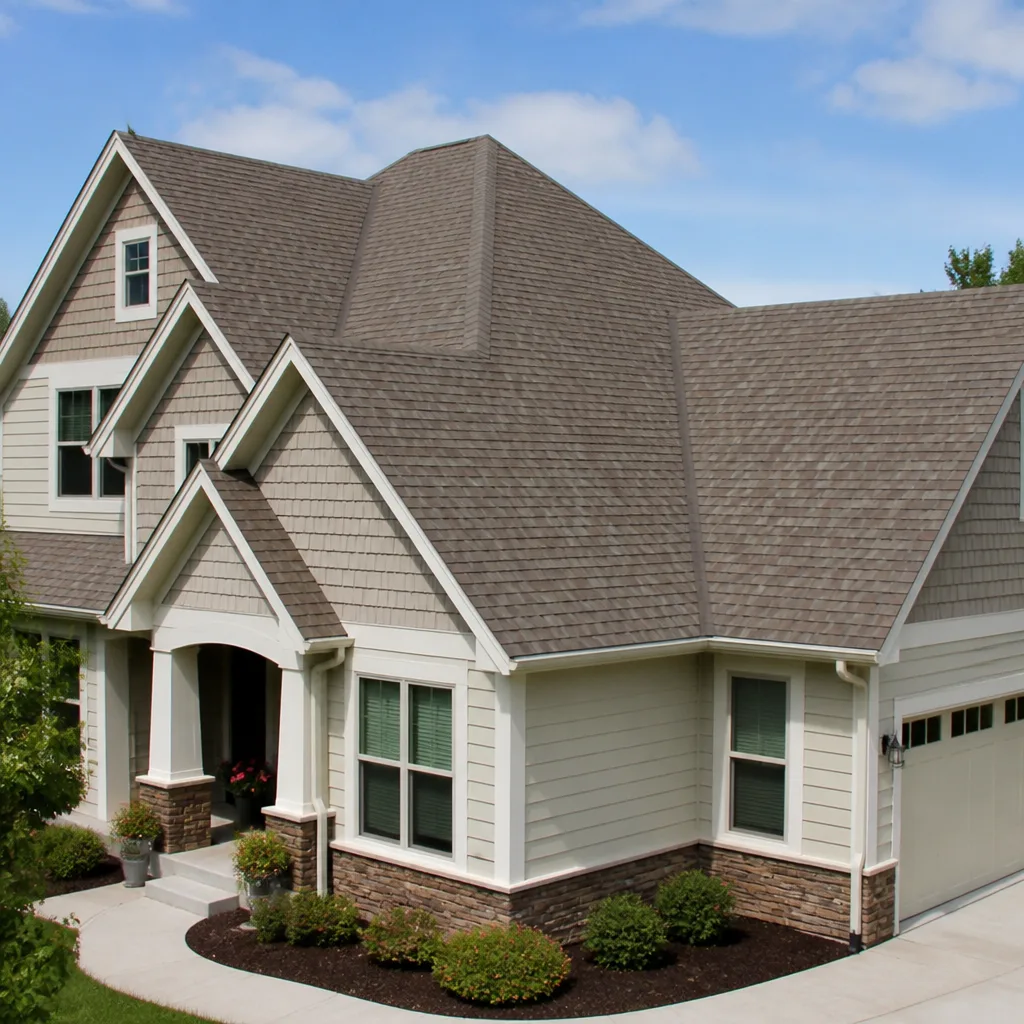 Owens Corning
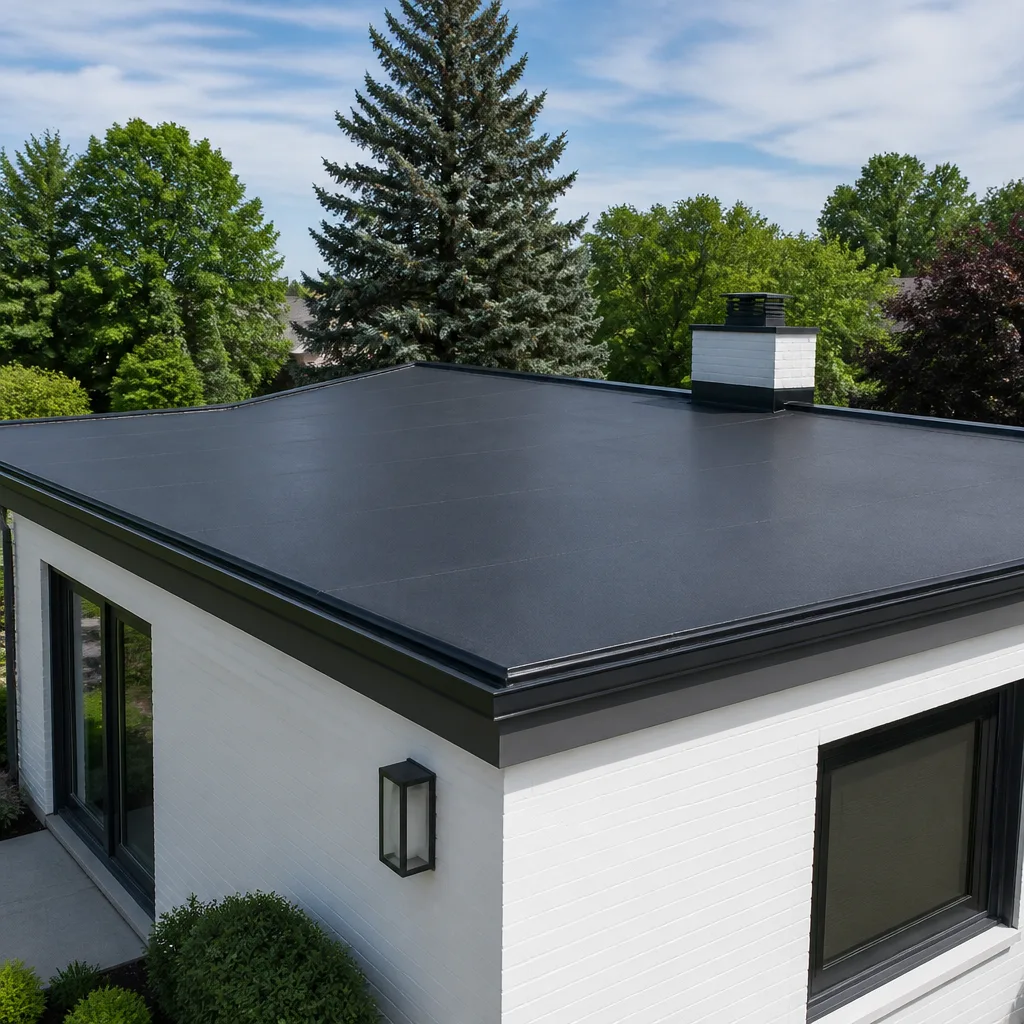 Flat & low-slope
Free roof inspection with deck photos before we talk money - GAF and Owens Corning certified installation
Roof Repair Maintenance Checklist for Santa Clarita Homeowners
The most common time a Santa Clarita homeowner discovers their roof has a problem is during the first serious rain of November, which means the damage was accumulating all summer long and nobody was looking. That’s not a coincidence. Our roof stressors in the Santa Clarita Valley don’t follow the same calendar as a roof in Seattle or Portland, and a generic maintenance checklist written for coastal climates will miss the exact failures we see here every year. This guide is built around when SCV roofs actually fail: after months of dry heat, UV exposure, Santa Ana winds, and leaf litter from the eucalyptus and oak trees that define our neighborhoods. You’ll learn what to check, when to check it, what it costs when you find something, and which repairs can wait versus which ones become structural emergencies if you ignore them past October.
Styles & brands we work with
Quick Answer
A Santa Clarita roof maintenance checklist should be run twice a year: once in late September or early October, before the rains arrive, and once in March, after the wet season ends. The five checkpoints that matter most here are: granule loss and thermal cracking on south-facing shingle slopes, debris dams from eucalyptus and oak leaves, flashing seal failures around chimneys and vents, attic temperature and ventilation, and any sign of dry rot where winter moisture met summer heat in shaded sections of the roof. Most homeowners can complete the visual checks themselves in about 45 minutes, but anything involving the roof surface itself should be handled by a professional who can document the condition with photos and give you a written price before any work starts.
Table of Contents
- Post-Summer UV and Thermal Stress Inspection: What Actually Fails After an SCV Summer
- Debris Accumulation from Eucalyptus and Oak: How Leaf Dams Create Moisture Traps in a Dry Climate
- Attic Ventilation as a Maintenance Item: SCV Heat Builds Pressure from the Inside Out
- The Twice-a-Year Photo Log: Documentation That Wins Insurance Claims
- Which Repairs Can Wait (and Cost Less) vs. Which Defects Become Emergencies After October
- The Santa Clarita Roof Maintenance Calendar: What to Do Each Season
- What Roof Maintenance and Repairs Cost in Santa Clarita
- Common Mistakes to Avoid
- When to Call a Professional
- Frequently Asked Questions
- The Bottom Line
Post-Summer UV and Thermal Stress Inspection: What Actually Fails After an SCV Summer
Santa Clarita regularly sees summer temperatures above 100°F, and the surface of a dark asphalt shingle roof runs 50 to 70 degrees hotter than the air around it. Over a single summer, that’s roughly 90 consecutive days of thermal cycling: expansion during the day, contraction at night, repeated every 24 hours. Most roofing materials are designed to handle that, but only if they’re still within their service life. Once a shingle passes the 12 to 15 year mark in our climate, the heat accelerates the two failures we see most often: granule loss and thermal cracking.
Granule loss is exactly what it sounds like. The ceramic granules embedded in asphalt shingles protect the asphalt from UV radiation. When they wear away, the asphalt underneath oxidizes, becomes brittle, and begins to crack. In Santa Clarita, granule loss shows up first on the south-facing and west-facing slopes, because those get the longest UV exposure. You’ll notice granules accumulating in your gutters or at the end of downspouts as a gray, sandy residue. That’s the first reliable sign your shingles are losing their protective layer.
Thermal cracking is different from the impact damage you get from a falling branch. Thermal cracks run in a curved or irregular pattern across the shingle face, often starting at the edge and working inward. They’re caused by the shingle expanding and contracting beyond what the asphalt can flex. Once a shingle cracks, water has a direct path to the underlayment, and in heavy November rain, that’s when you get a leak.
Here’s what to look for on your post-summer inspection:
- Gray or dark granules collecting in gutters, at downspout outlets, or in valleys
- Shingles on south and west slopes that look shiny or lighter in color compared to the rest of the roof
- Curved cracks visible from the ground, especially near the edges of the roof
- Bare patches where the felt or matting underneath the shingle is showing through
- Shingles that look “cooked” – curled at the corners, lifting away from the surface
One note from our experience in Santa Clarita: granule loss doesn’t mean your roof needs replacing tomorrow. It means the roof is aging and you should have it checked by someone who will tell you the truth about how much life is left, or explore our Roof Repair services if issues are found. A competent roofer can measure the remaining life in 15 minutes and give you a plan that fits your timeline, not one that fits their sales quota. That’s the difference between a maintenance plan and a surprise replacement bill.
Debris Accumulation from Eucalyptus and Oak: How Leaf Dams Create Moisture Traps in a Dry Climate
Santa Clarita’s older neighborhoods – Valencia, Newhall, Canyon Country, Saugus – are lined with mature eucalyptus and coast live oak trees. Both species shed year-round, but the heaviest drop comes in late summer and early fall, right before the first rain. Eucalyptus leaves are especially problematic because they’re stiff, oily, and slow to decompose. Oak leaves are smaller and flatter, which means they pack together tightly when they get wet.
When leaves collect in roof valleys, behind chimneys, or along the uphill side of a parapet wall, they form a dam. The first real rain of November hits that dam and water backs up behind it. Instead of flowing down the valley and off the roof, water pools and finds its way under the shingles through the tiniest gap or nail hole. This is how a dry climate produces roof leaks: not from constant rain, but from a single storm hitting a debris dam that’s been sitting there for two months.
The mechanical fix is straightforward – clear the debris – but the maintenance failure it causes is more subtle. Debris sitting on a roof traps moisture against the shingle surface. In a dry climate like Santa Clarita, we tend to think of moisture as a non-issue, but trapped moisture in a shaded valley or behind a chimney can keep shingles damp for weeks. That dampness softens the shingle, encourages mold and mildew on the underside, and accelerates rot on any wood components it touches. Over three or four years of repeated leaf dams, you can destroy a valley or a chimney chase without ever having a visible leak.
What you should do:
- Walk the perimeter of your home and look up at every valley, chimney, skylight, and parapet wall
- If you see leaf accumulation thicker than an inch, photograph it before you clean it
- Use a leaf blower from the ground or a roof rake with a soft edge to remove debris – avoid walking on the roof if you can, because foot traffic adds its own damage
- Check the gutters at the same time, since a clogged gutter backs water up under the eave line
- For debris that’s compacted or sitting in areas you can’t reach safely from the ground, call a roofer
The state of your gutters matters more than most people realize. A full gutter in Valencia with eucalyptus leaves can weigh 40 to 50 pounds per linear foot when wet, and that weight pulls the gutter away from the roofline. Once the gutter sags, it creates a gap at the drip edge, and the next storm sends water straight down the fascia board. This is a slow, compounding problem that costs far more to repair than to prevent.
Attic Ventilation as a Maintenance Item: SCV Heat Builds Pressure from the Inside Out
Most homeowners think of attic heat as a comfort problem – the upstairs is warmer than the rest of the house, the AC runs constantly in August, that kind of thing. But from a roofing perspective, attic heat is a structural problem. When attic temperatures in a Santa Clarita summer climb into the 140°F to 160°F range, that heat radiates downward into the roof deck from underneath. The plywood or OSB decking dries out, the resins in the wood break down, and the deck becomes brittle.
Roof deck failure doesn’t look like a leak. It looks like a roof that feels spongy or soft when you walk on it, or shingles that lift easily because the nails no longer hold. By the time you notice it from inside the house, the decking has already lost a significant portion of its structural integrity, and the repair is no longer a resurfacing job. It’s a redeck job, which means removing the shingles, replacing the decking, and reinstalling the roof. That’s a $6,000 to $12,000 project in Santa Clarita, depending on roof size and complexity, versus the $400 to $900 it costs to have proper ventilation installed or repaired in the first place. For a deeper look at regional pricing, see our Roofing Cost Breakdown: The Santa Clarita Homeowner’s Reference for 2026.
Here’s the simple way to think about it: your attic needs to inhale and exhale. Intake vents at the eaves let cooler outside air in. Exhaust vents at or near the ridge let hot air out. When both are working, air moves through the attic continuously, carrying heat away. When either side is blocked – soffit vents painted over, ridge vents covered by debris, or simply not enough vent area for the roof size – the attic becomes a heat trap.
The check is free:
- On a warm day, go into your attic and feel the temperature. If it’s noticeably hotter than the outside air, ventilation is inadequate
- Look for visible soffit vents under the eaves, and check that they aren’t blocked by insulation that’s been blown in too deep
- Check for a ridge vent at the peak of the roof, or box vents near the top of each slope
- Look for moisture staining on the underside of the roof deck – in Santa Clarita it shows up as dark streaking around the nails, which means warm air is condensing on cool metal
In our experience, a large percentage of Santa Clarita homes built in the 1980s and 1990s are under-ventilated for their roof size. The builders met the code minimum at the time, but the code has changed and the climate has gotten hotter. A roof that was fine 20 years ago can be slowly cooking itself now, and the owner won’t know until the decking fails or the shingles start curling from heat saturation.
The Twice-a-Year Photo Log: Documentation That Wins Insurance Claims
If you take nothing else from this guide, take this: shoot the same angles of your roof twice a year, every year, and store the photos somewhere you won’t lose them. This is the single most underrated maintenance habit a Santa Clarita homeowner can develop, and it costs nothing.
The reason is simple. Insurance claims are easier to win when you can prove the roof was in good condition before the event that damaged it. Wind damage from a Santa Ana event in October, hail that occasionally sweeps through the SCV, a branch that comes down in a storm – every one of those claims involves a dispute about whether the damage was pre-existing or caused by the event. If you have a dated photo showing the south slope was clean and intact two weeks before the wind event, that’s your evidence.
Here’s the method we recommend:
- Pick six fixed angles: north, south, east, west elevations, plus one photo of each major roof area you can see from the ground or from a safe upper window
- Shoot the same six angles in late September and again in late March
- Name the files with the date and angle (“south-slope-2025-03-28”) so you can pull them up fast
- Store them in a cloud folder or a dedicated album on your phone
- If you ever file a claim, you have a before-and-after record that shows exactly what changed
This also works for tracking maintenance issues. When you’re at the point of asking “has that crack gotten worse since last year?” – you don’t have to guess. You look at last year’s photo and compare it to this year’s. That’s how you catch a slow leak before it becomes a ceiling stain. For major roof work in Santa Clarita, this kind of documentation matters, and it’s the same principle we apply to every roof repair in Santa Clarita we do: before photos, after photos, and a written record of what was found and what was done. That’s The Relay Standard, and it’s the baseline we think every homeowner should apply to their own roof, even between professional visits.
Which Repairs Can Wait (and Cost Less) vs. Which Defects Become Emergencies After October
Not every roof issue is an emergency, and one of the most expensive mistakes a homeowner can make is treating them all the same way. Here’s how we triage them in Santa Clarita, based on what we’ve seen over 20-plus years of working in this valley.
Repairs That Can Wait (and Cost Less in the Slow Season)
Minor nail pops, small granule-loss patches on a single slope, a couple of cracked shingles in a low-traffic area, and cosmetic gutter adjustments are all items that can wait if you find them in May or June. These are non-urgent because they’re not likely to cause a leak in the short term, and the repair is the same whether you do it today or in three months. The benefit of waiting is real: roofing demand in Santa Clarita drops off between February and August, and many contractors are more flexible on pricing and scheduling during that window. A repair that costs $750 in November might cost $600 in June, simply because the crew isn’t running at maximum capacity.
Defects That Become Structural Emergencies After October
Broken or missing flashing around a chimney, vent, or skylight. A torn shingle in a valley. A debris dam you can see from the ground. Any of these will fail the first time it really rains, and the failure mode is water entering your roof system. The repair for a chimney leak is often much larger than the flashing repair would have been, because the water doesn’t just sit on the surface. It travels, soaks insulation, stains ceilings, and invites mold. The cost difference is frequently five to ten times the original repair. If you see flashing damage in August, don’t wait until November. The rainfall in Santa Clarita is concentrated into a few big events rather than spread evenly across the winter, which means your roof goes from completely dry to saturated in a matter of hours.
The Santa Clarita Roof Maintenance Calendar: What to Do Each Season
Here’s the entire year in one simple timeline, tuned specifically for the SCV’s climate patterns. Put these on your calendar and you’ll catch most problems before they become emergencies.
September (Before the First Rain)
- Clear all debris from valleys, gutters, and roof penetrations
- Inspect flashing around chimneys, vents, and skylights for cracks or lifting
- Check south-facing slopes for granule loss and thermal cracking
- Run the attic ventilation check
- Take your fall photo set
This is the most important inspection of the year. Do it in September, not November. By November, the rain is already arriving and repairs cost more because everyone is calling at once.
November to February (Rainy Season)
- After each major storm, walk the perimeter and look for new water stains on the underside of the eaves
- Check the attic after heavy rain for any signs of moisture at penetrations
- Keep gutters clear – one downpour can refill them overnight
- Watch for lifted shingles or displaced flashing after wind events
March (Post-Rain Assessment)
- Take your spring photo set and compare against the fall set
- Note any new cracks, lifted shingles, or visible granule loss
- Schedule any deferred repairs now, while the season is slower and pricing is better
- Check for any signs of dry rot in shaded areas that held moisture through the winter
April to August (Slow Season)
- Complete any repairs you deferred from winter
- Re-seal or replace flashing if needed before the heat does more damage
- Monitor south slopes during the hottest weeks for new cracking
- Consider attic ventilation upgrades while roofers are less busy
This rhythm is appropriate for a typical asphalt shingle roof in Santa Clarita. Tile roofs have different considerations – the tiles themselves are longer-lived, but the underlayment underneath them ages, and the same seasonal schedule applies for inspection purposes.
What Roof Maintenance and Repairs Cost in Santa Clarita
The table below reflects current (2025) pricing in the Santa Clarita Valley. These are ranges based on typical single-family homes in Valencia, Saugus, Canyon Country, Newhall, and the surrounding areas. Your exact price depends on roof size, slope, accessibility, and the specific materials involved.
- Basic visual inspection with photo documentation: $0 to $150. At Crestview Roofing Co Santa Clarita, the inspection is free, and you get written findings plus photos. This is the standard every roofer should meet.
- Minor shingle repair (a few cracked or lifted shingles): $350 to $650.
- Gutter cleaning (single-story, typical 1,500 to 2,200 sq ft home): $150 to $350.
- Gutter cleaning (two-story or heavy debris): $300 to $600.
- Flashing repair or replacement (single penetration – chimney, vent, or skylight): $450 to $1,400, depending on the type and accessibility.
- Attic ventilation upgrade (add ridge vent or improve soffit ventilation): $600 to $1,800.
- Valley debris removal and re-sealing: $400 to $900.
- Deferred maintenance restoration (multiple minor repairs in one visit): $1,100 to $2,600. This is the most common job we do for a homeowner who has been putting off small things and wants everything addressed in one day.
The takeaway from these numbers: catching issues early in Santa Clarita costs hundreds of dollars. Deferring them until they leak costs thousands. The condition of the flashing, the state of the south slope, and the debris load in your valleys are the three highest-leverage things to monitor. If you keep those three in good shape, the rest of the roof tends to follow.
Common Mistakes to Avoid
- Inspecting only after rain. By the time the rain arrives, the damage that the rain exposes was already done during the dry months. A November-only inspection plan is a leak-detection plan, not a maintenance plan.
- Using a pressure washer to clean the roof. High-pressure water strips granules, damages shingle edges, and forces water under the shingles. Never pressure wash an asphalt shingle roof in Santa Clarita or anywhere else.
- Ignoring granule loss in gutters. A little gray sand in the gutter is often the first sign your shingles are giving up their protective layer. The shingle can look fine from the ground while the asphalt underneath is failing.
- Delaying flashing repairs. Flashing failure is the single most common source of roof leaks in our area, and the repair is cheap compared to the interior damage the leak eventually causes. If you see cracked sealant or lifting metal around a chimney, handle it now.
- Walking on the roof for visual checks. Foot traffic adds its own damage to an aging roof, especially when shingles are hot and soft. If you can’t see the issue from the ground or from a safe upper window, call someone who has the equipment and training to get on the roof safely.
- Treating all repairs as emergencies. Rushing a minor repair in the middle of storm season costs more than scheduling it in the slow season. The only things that are true emergencies in Santa Clarita are water intrusion and structural damage.
When to Call a Professional
You need a professional when you see any sign of active water intrusion – water stains on ceilings, damp attic insulation, moisture around chimneys or vents. You also need one when you see broken or lifting flashing, because that’s the failure that turns a dry roof into an open channel on the first day of heavy rain. If you can see sagging, daylight through the roof boards, or shingles that have slid out of place, stop looking and call. In Santa Clarita, where the rain comes in a handful of high-intensity events, the window between “minor repair” and “full roof replacement” can be a single storm. Before any major work, review Roofing Permits, Codes & Inspections in CA: What You Need to Know. Crestview Roofing Co Santa Clarita offers free estimates in Santa Clarita – call (661) 219-7793 and we’ll send someone who will give you a written price before any work starts.
Frequently Asked Questions
Twice a year: once in late September before the rainy season, and once in March after it ends. That timing catches the two failure modes that matter most in our climate: cumulative heat damage from summer and moisture damage from winter.
Most reputable roofers in the SCV charge between $0 and $150 for a standard visual inspection with photos and a written report. At Crestview Roofing Co Santa Clarita, the inspection itself is free – we’d rather find the problem early than meet you in an emergency.
Granule loss (gray sand in the gutters), curved thermal cracks on south and west slopes, curling at the shingle corners, and a shiny or lighter appearance where the asphalt is oxidizing. All of these are visible from the ground with a decent pair of binoculars.
Most debris clearing is safe to do from the ground with a leaf blower or soft-bristle roof rake. Walking on the roof is a different story. Foot traffic on hot shingles crushes the granules, and a fall from a two-story Santa Clarita roofline is a life-altering event. If you can’t reach it from the ground, call a roofer.
Attic ventilation protects the roof deck and the shingles from the underside. Poor ventilation lets heat and moisture build up, which shortens the life of the decking and promotes condensation. You won’t see the damage until the deck is already compromised, and by then the repair is significantly more expensive. Call (661) 219-7793 if you want someone to check yours.
Yes. That’s The Relay Standard, and it’s not optional for us: a written price before any work begins, photo documentation before and after, a live trackable arrival time, and a digital invoice by text. The number we write down is the number you pay. No change orders, no surprise line items. If you’re comparing roofers in Santa Clarita, ask every one of them if they can say the same thing in writing.
The Bottom Line
A Santa Clarita roof lives and dies by the calendar. The heat of June through September is doing slow, invisible damage that the November rains will eventually expose. If you run the checklist in late September, you see the damage before the rain does. Clear the debris, check the flashing, inspect the south slopes, verify the attic is breathing, and document everything with photos. The fixes are usually hundreds of dollars in September and thousands in November. If you’re not sure what you’re looking at, call a roofer who will tell you the truth, put the price in writing, and stand behind the work. You can also browse more guides & resources to build your knowledge first. That’s what we do. Call (661) 219-7793 for a free estimate, and we’ll help you build a maintenance plan that matches how Santa Clarita roofs actually age, not how a generic national checklist says they should.
Written by Dylan Pace, Owner at Crestview Roofing Co Santa Clarita, serving Santa Clarita since 2000.
See the difference
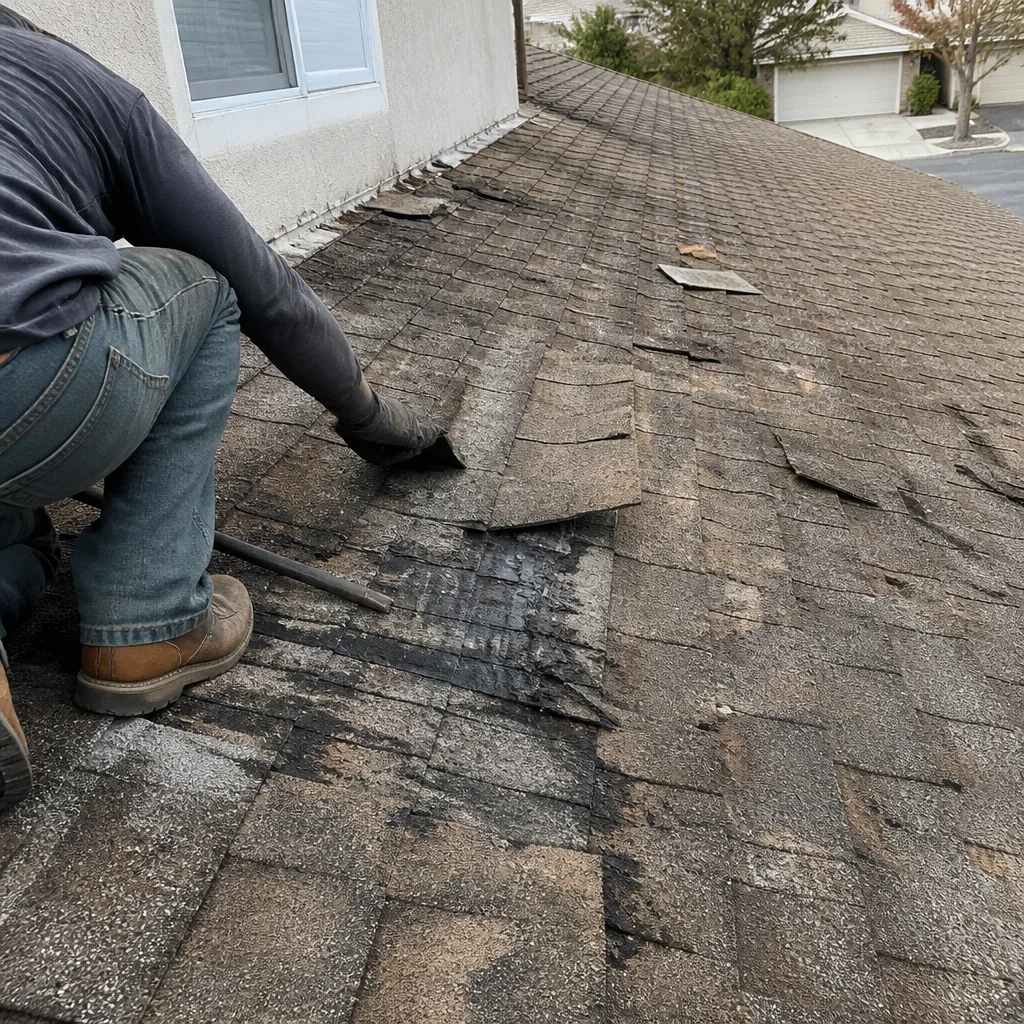 Before
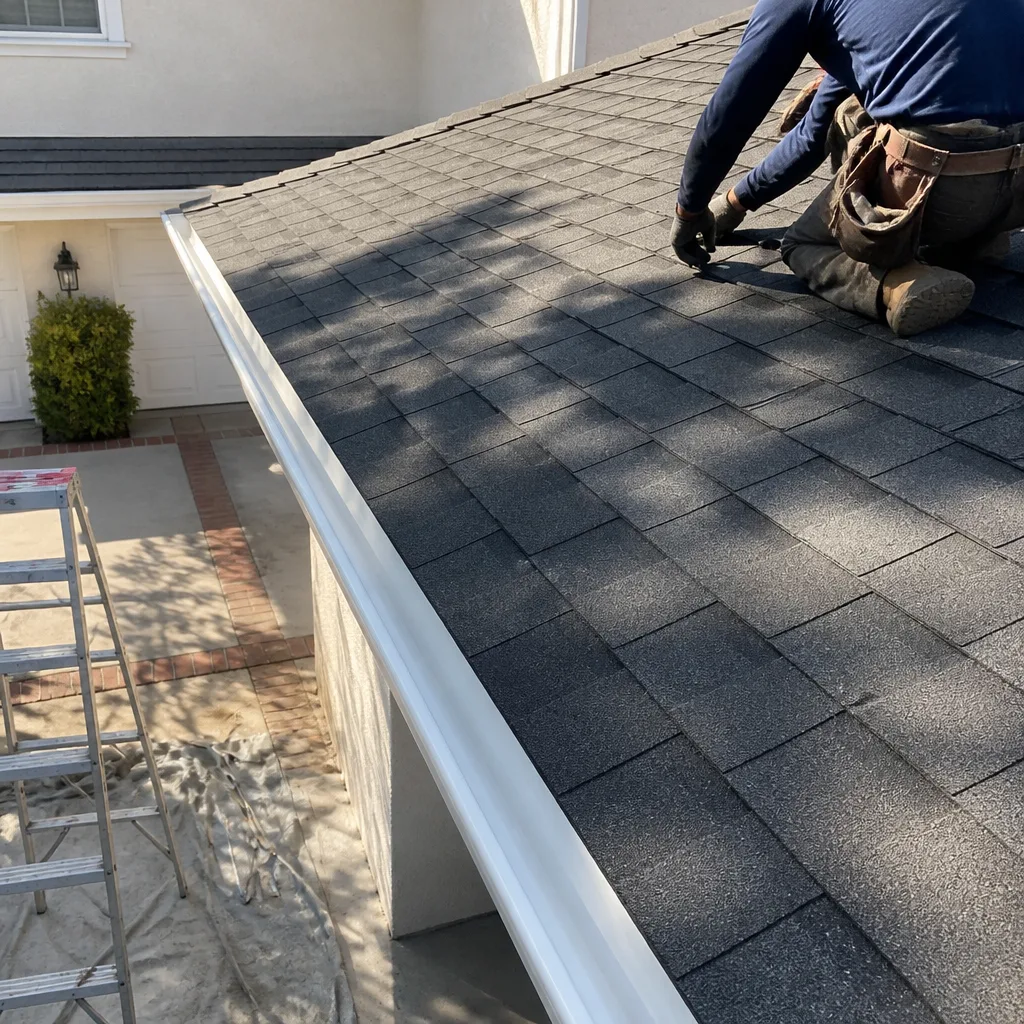 After
After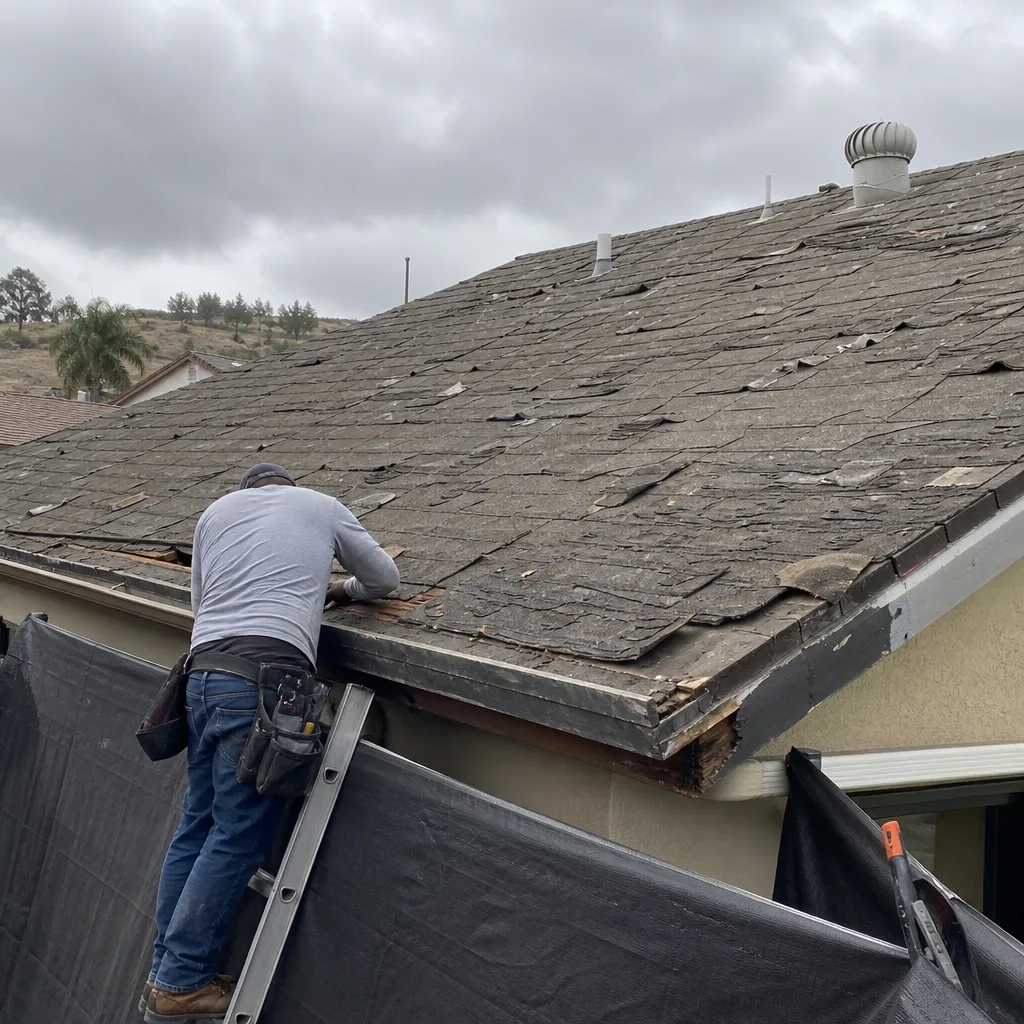 Before
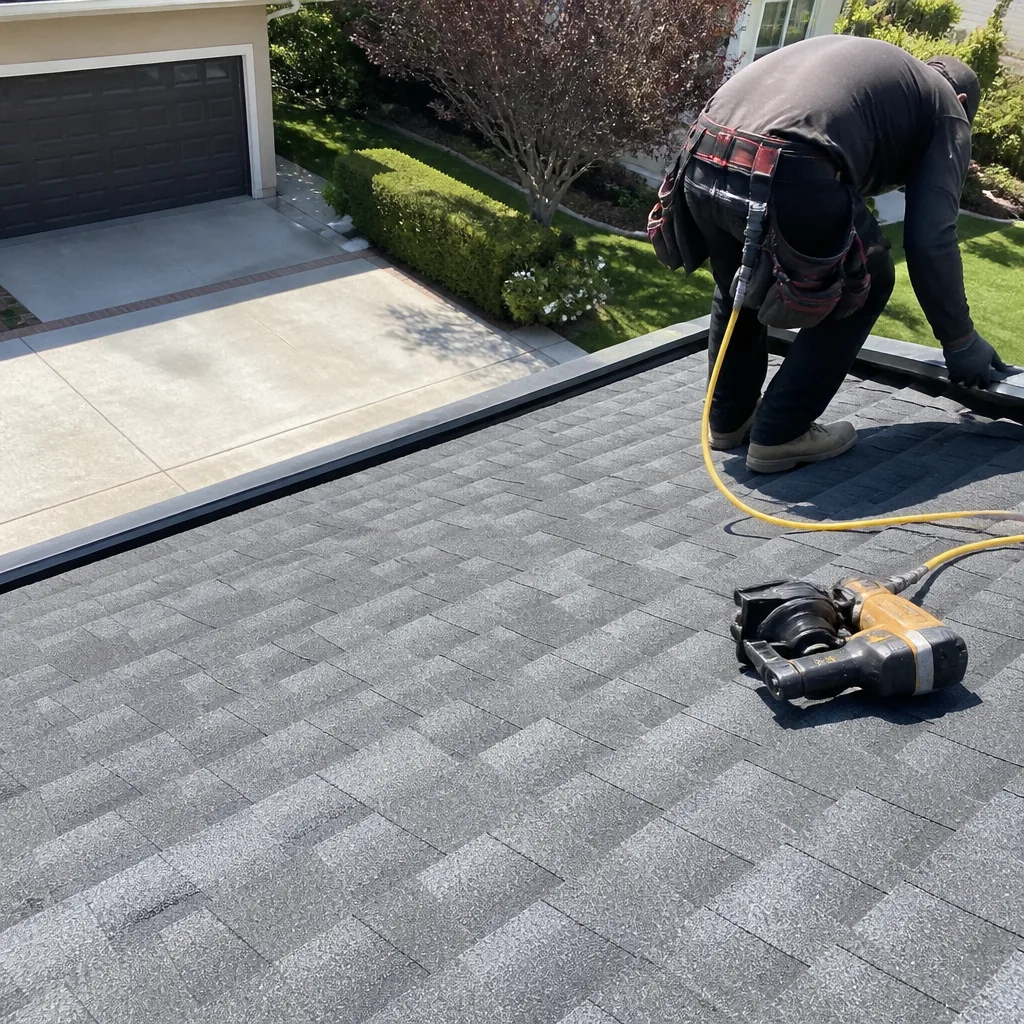 After
After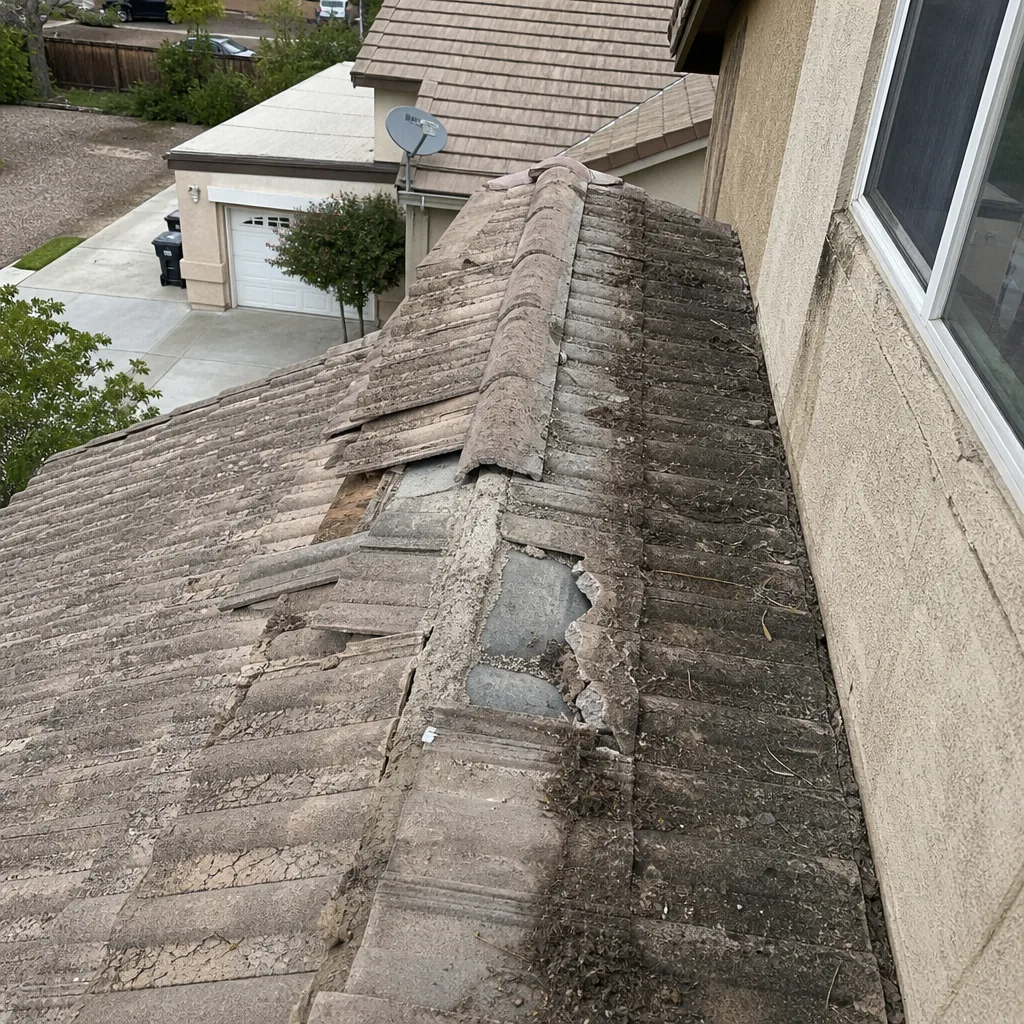 Before
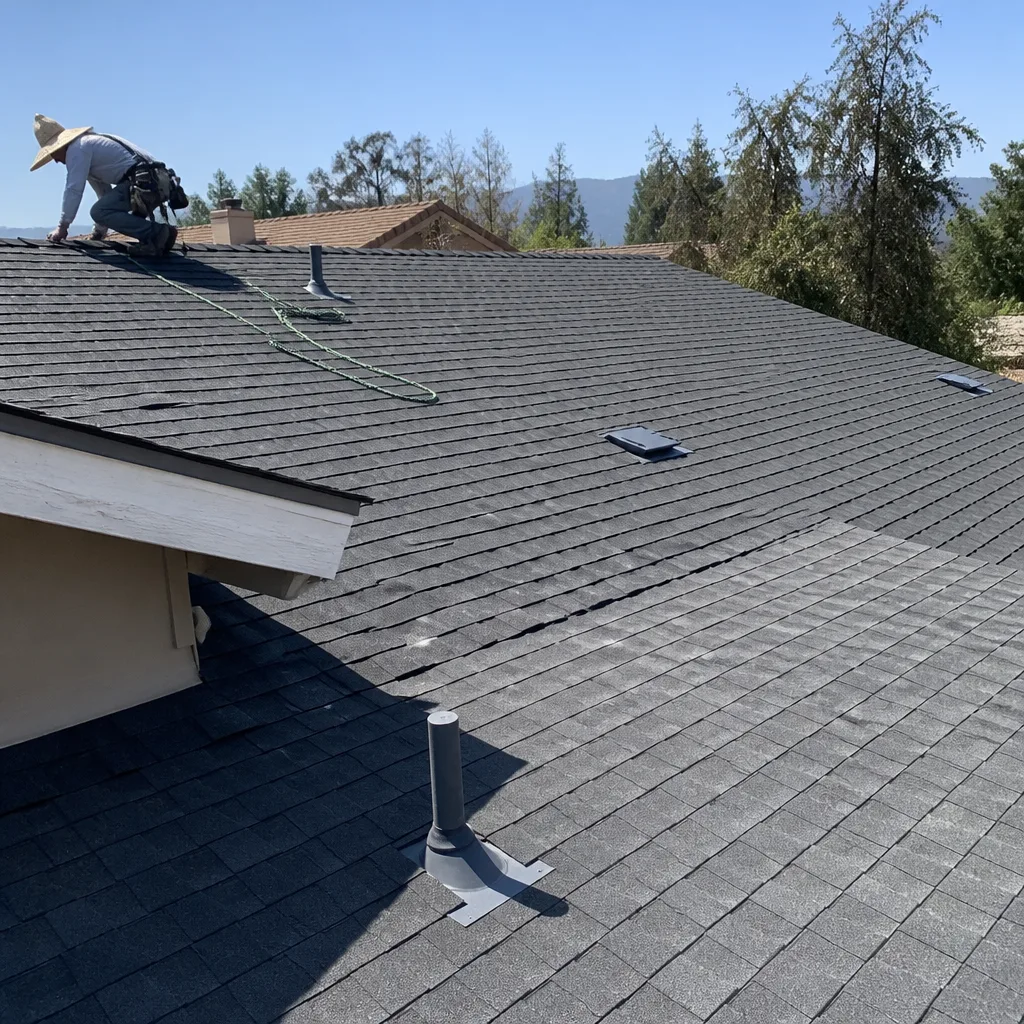 After
After