
Last updated October 17, 2026
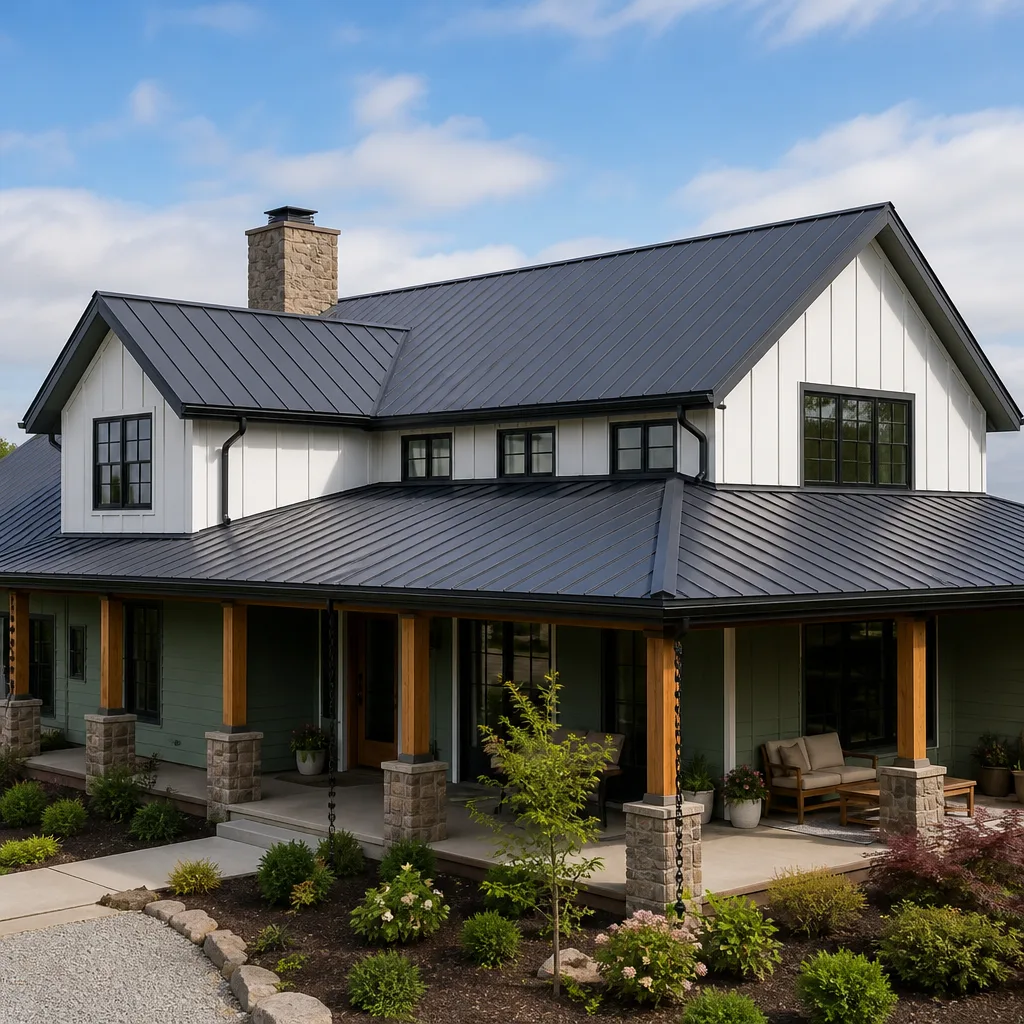 Metal roofing
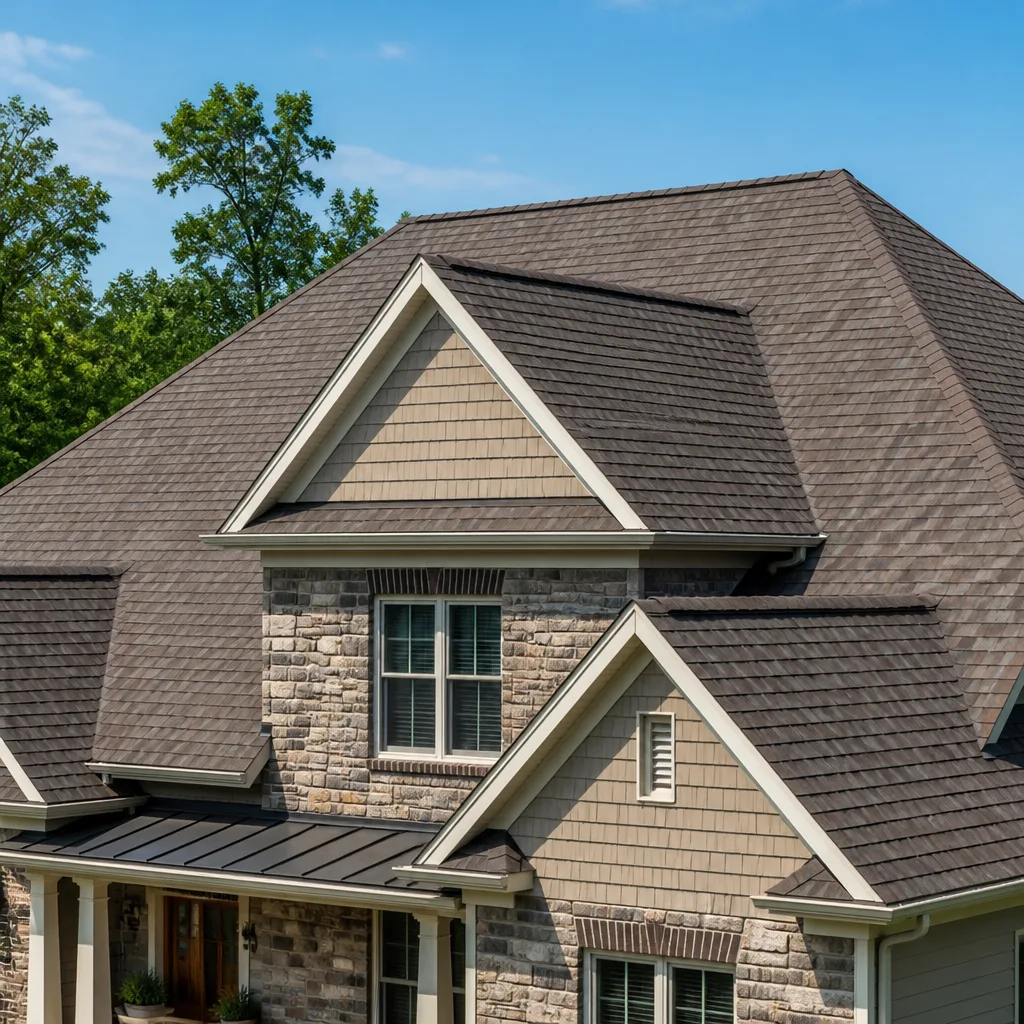 Architectural shingles
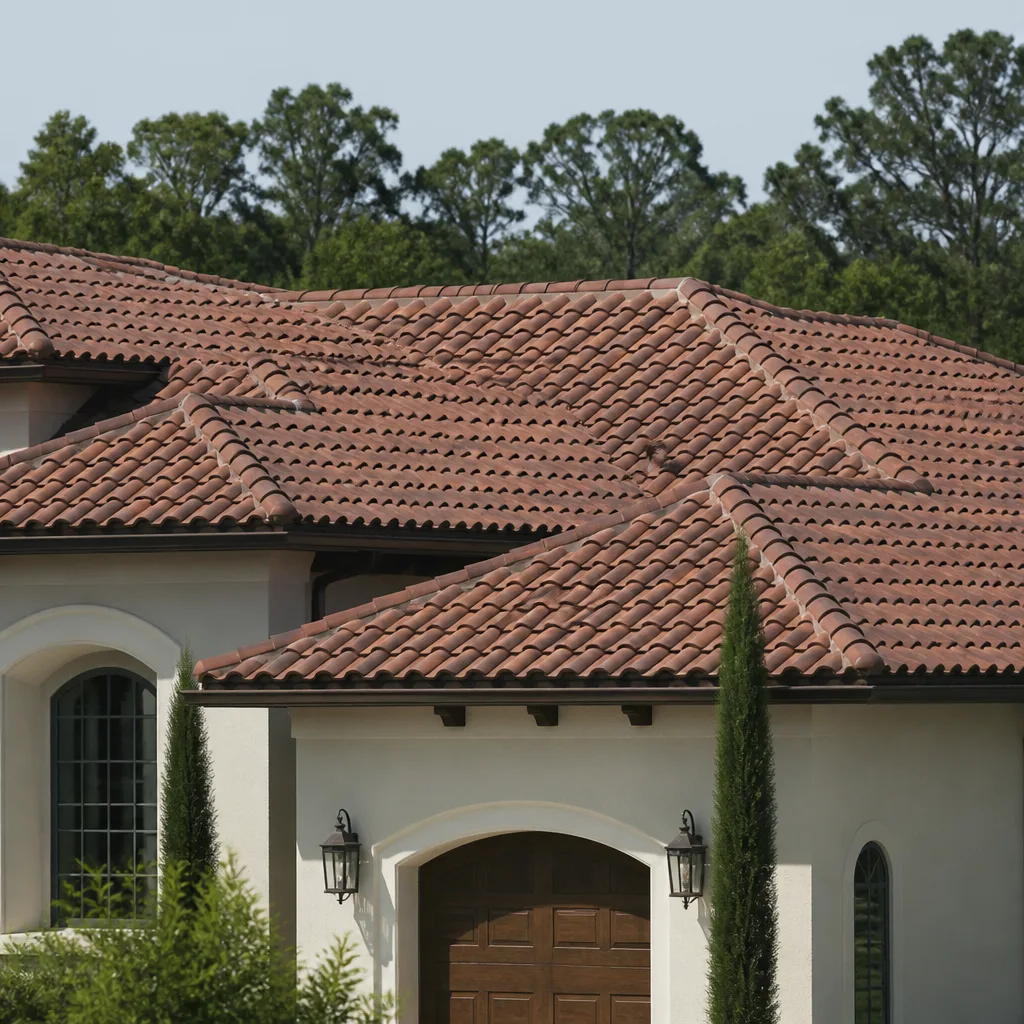 Tile roofing
 GAF
GAF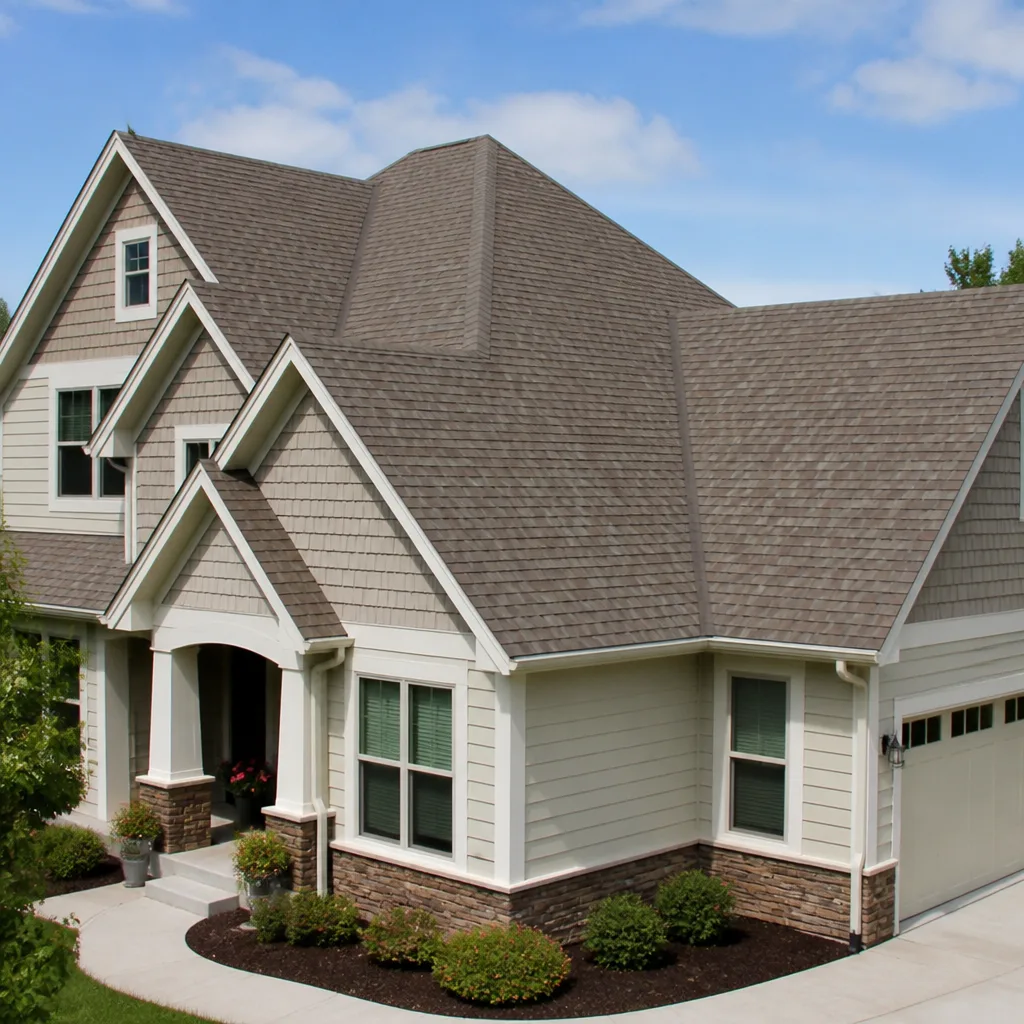 Owens Corning
 Flat & low-slope
Free roof inspection with deck photos before we talk money - GAF and Owens Corning certified installation
Seasonal Roofing Care for Santa Clarita: Year-Round Homeowner’s Guide
In Santa Clarita, the “storm season” lasts maybe 45 days. But the damage that shows up during those 45 days was caused by the other 320 days of UV exposure, heat cycling, and ignored debris. The seasons are backward from how most homeowners think about them. This guide explains the four real seasons of Santa Clarita roofing, what each one does to your roof, and the specific maintenance tasks that belong in each window. If you own a home here, you’ll learn when to spend money, when to hold off, and how to avoid the most expensive mistakes we see every year.
Quick Answer
Seasonal roof care in Santa Clarita means treating the year as four distinct windows: summer’s thermal stress demands fastener and sealant checks, fall’s narrow pre-rain window requires gutter and flashing work, winter is for monitoring and documentation during storms, and spring is the cheapest, most effective time for repairs and full roof replacement in Santa Clarita. Most homeowners wait until winter leaks appear, which is the most expensive time to fix anything.
Styles & brands we work with
Key Takeaways
- Santa Clarita’s roof damage is primarily caused by UV exposure and thermal cycling, not rain. Summer is when the damage happens; winter is when you notice it.
- Fall’s pre-rain preparation window is roughly three weeks in October and early November. Skipping it costs 2-3x more in emergency repairs later.
- Spring (March through May) offers the best combination of contractor availability, material pricing, and weather conditions for roof installation in Santa Clarita.
- Fire season changes maintenance priorities for homes near open space: ember intrusion points and valley debris become critical life-safety issues, not just curb appeal concerns.
- Most standard repairs in Santa Clarita run $350-$900. Replacing a roof runs $9,000-$18,000 depending on material and pitch. Waiting until a leak appears usually doubles the repair scope.
Table of Contents
- Summer (June-September): The Season That Actually Damages Your Roof
- Fall (October-November): The 3-Week Window That Determines Your Winter
- Winter (December-February): Monitoring, Documentation, and Not Panicking
- Spring (March-May): The Optimal Repair and Replacement Season
- Fire Season Considerations for Homes Near Open Space
- Seasonal Roof Care Costs in Santa Clarita: What Each Window Should Cost You
- Common Mistakes to Avoid
- When to Call a Professional
- Frequently Asked Questions
Summer (June-September): The Season That Actually Damages Your Roof
Summer in Santa Clarita regularly pushes temperatures past 100°F, with attic temperatures climbing 40-60 degrees higher than that. Your roof deck, shingles, underlayment, and fasteners all expand during the day and contract at night. Over a single summer, a roof in Valencia or Saugus can go through more than 100 thermal cycles with temperature swings of 50 degrees or more.
That thermal cycling is the primary mechanism of roof aging in the SCV. It’s not dramatic, and it doesn’t photograph well, but it’s the reason roofs here wear out faster than roofs in coastal cities with milder temperature swings.
What Summer Actually Does to Your Roof
- Fastener back-out: The nails holding your shingles expand and contract at different rates than the wood decking. Over years, this differential movement slowly backs nails out. A nail raised even 1/8 inch creates a point where shingles can tear and water can enter.
- Flashing sealant breakdown: Flashing, the metal strips that seal joints around chimneys, vents, and skylights, is bedded in caulk or sealant. That sealant cooks in SCV summers. By September, sealant that was pliable in May can be cracked, dry, and starting to separate from the metal.
- Shingle granule loss: UV radiation degrades the asphalt binder holding granules to the shingle surface. Granules protect the asphalt from further UV damage. Once granule loss accelerates, the shingle ages rapidly.
- Decking movement: The plywood or OSB under your shingles expands and contracts with temperature and humidity changes. This movement can create ridges, especially on older roofs, that stress shingles and expose fastener points.
Summer Maintenance Tasks You Should Actually Do
Most homeowners think roof maintenance happens in fall. In Santa Clarita, summer is when you catch the damage that fall rain will exploit. Here’s what belongs in the summer window:
- Inspect sealant at every penetration: Chimneys, vent pipes, skylights, and anything else that pokes through the roof. Look for cracked, peeling, or separated caulk. This is the single highest-yield summer task.
- Check fasteners on exposed edges: Ridge caps and rake edges take the most wind and thermal movement. Look for raised nails or shingles that have shifted.
- Clear valleys of any debris: Santa Clarita’s wind patterns, especially in Canyon Country and areas near the foothills, push leaves, needles, and dust into roof valleys. That debris holds moisture against shingles and creates ember fuel during fire season.
- Document your roof condition with photos: A phone camera from the ground or a ladder (safely) is enough. Photograph the overall roof, valleys, flashing, and any suspect areas. These photos are your baseline for insurance claims if something happens later.
Most standard summer maintenance visits, including sealant touch-up and fastener checks, run $250-$450 through a Santa Clarita roofer. That’s cheap compared to the $1,500-$4,000 leak repair that a failed flashing seal can cause come December.
Fall (October-November): The 3-Week Window That Determines Your Winter
Santa Clarita’s rain season is short and usually arrives in earnest by mid-December. That gives you roughly three weeks, from mid-October through early November, to prepare your roof before the first real storm system moves through.
In our experience, the homeowners who schedule preventative maintenance during this window avoid about 80% of the emergency calls we get in December and January. The homeowners who skip it are the ones calling us at 2 a.m. with water coming through the ceiling.
What the Pre-Rain Window Must Include
- Full flashing inspection and reseal: Every penetration gets checked for lifted or cracked sealant. We re-bed flashing where needed using a sealant rated for high-UV environments, which matters more in Santa Clarita than in most climates because the sealant has to survive both the summer heat and the winter rain in the same year.
- Gutter cleaning and alignment check: Gutters that are clogged or sagging back up against the roof edge, which forces water under the shingles. This is a top cause of winter fascia and soffit damage in Santa Clarita. If you have valley debris from summer winds, it’s coming down now.
- Missing or damaged shingle check: Wind events in September and October loosen shingles that summer heat has already degraded. A loose shingle is a two-minute fix in October. It’s a $400-$800 leak repair in December.
- Attic ventilation check: Proper airflow through your attic controls moisture and heat. Blocked soffit vents or a failed exhaust fan create condensation that rots decking from below, which you won’t see until it’s too late.
- Skylight and vent boot replacement if needed: Rubber boots around vent pipes degrade in the sun. If yours are cracked or stiff, October is the time to replace them. Cost is typically $150-$300 per boot, installed.
A full pre-rain inspection with minor repairs and gutter cleaning typically runs $400-$700 in Santa Clarita. If your roof is older or has known issues, that number can climb to $1,000-$1,500. Compare that to the emergency leak repair bill of $1,500-$6,000 that comes with water damage to drywall, insulation, and framing, and the pre-rain window is the best money you’ll spend on your home all year.
Winter (December-February): Monitoring, Documentation, and Not Panicking
Winter in Santa Clarita is when the damage from the other three seasons announces itself. The rains arrive, and suddenly the flashing that dried out in July, the shingle that lifted in October, and the gutter that clogged in November all become visible problems.
Your job during the winter window is not to fix everything. It’s to monitor, document, and make smart decisions about what actually needs emergency attention versus what can wait until spring.
What to Monitor During SCV Rain Events
- Ceiling stains and discoloration: New stains that appear during or immediately after rain are evidence of active water intrusion. Photograph them immediately, noting the date and which storm preceded the stain.
- Attic moisture: If you can safely access your attic, check for water beads on the underside of the decking, wet insulation, or active drips. A flashlight and your phone camera are enough.
- Gutter overflow: If water is spilling over the sides of gutters rather than flowing through downspouts, you have a clog or an alignment problem. Overflow sends water down the fascia and can wick back into the soffit.
- Loose or flapping shingles after wind: The Santa Ana wind events that follow winter storms can lift shingles that were already compromised. If you see lifted shingles from the ground, photograph them and flag them for the next repair window.
How to Document Damage for Insurance
Your insurance company will ask for specific evidence. Here’s what works:
- Photograph the interior damage first: Ceiling stains, wall discoloration, puddled water. Get wide shots that show the location in the room and close-ups that show the stain size and shape.
- Photograph the roof from the ground or a stable ladder: Show the general area above the interior stain, plus any visible damage like lifted shingles, debris in valleys, or damaged flashing.
- Note dates and weather conditions for everything: “Stain appeared January 8, two days after the January 6 storm” is far more useful than a photo with no context.
- Keep a running log: A simple notes app entry with date, description, and photo reference is enough. This log becomes your insurance timeline if you file a claim.
Most winter leaks in Santa Clarita can be tarped or temporarily sealed to prevent further damage, then properly repaired in spring when conditions are dry and materials cure correctly. The exception is structural risk: if water is pooling against framing, drywall is sagging, or electrical fixtures are getting wet, that’s an emergency repair, not a monitoring situation. Call a professional immediately.
Spring (March-May): The Optimal Repair and Replacement Season
Spring is the smartest time to do real roofing work in Santa Clarita, and here’s the counterintuitive part: it’s not because the weather is bad for roofing in other seasons. It’s because spring offers the best economics and the best curing conditions.
Why Spring Favors Homeowners in SCV
- Contractor availability: After the winter emergency rush dies down, Santa Clarita roofing crews have open schedule slots. You can actually book a crew for a specific date window rather than waiting for whoever’s available. For roof repair in Santa Clarita, this means next-week scheduling instead of next-month.
- Material pricing stability: Roofing material prices, particularly asphalt shingles, tend to firm up in spring before the summer demand surge. Manufacturers like GAF and Owens Corning adjust pricing throughout the year, and spring historically offers the least volatility.
- Sealant and adhesive curing: Sealants, mastics, and underlayment adhesives cure best in moderate temperatures with low humidity. SCV’s spring conditions, typically 65-80°F with dry air, are ideal for full adhesion. Summer heat can cause sealants to skin over before they fully bond, and winter cold can slow curing to a crawl.
- Full inspection after winter: Spring is when you find out what winter actually did. The rain stopped, the decking is dry, and a roofer can see the full picture. This is the right time for a comprehensive Crestview Roofing Co Santa Clarita home recommended annual inspection.
What Spring Repairs Most Commonly Reveal
In our experience, the spring inspection after rain season typically turns up three things: failed flashing sealant at one or two penetrations, granule loss that was hidden under winter debris, and attic moisture damage from a winter leak that never showed on the ceiling. Each of these is a relatively inexpensive fix in spring, usually $300-$800, compared to what they cost if left alone through another summer and caught in winter.
If your roof is approaching 20 years old on original shingles, spring is the season to get a roof installation in Santa Clarita estimate. You’ll have the best selection of crews, the most stable pricing, and the work will be done weeks before the summer heat stress window begins.
Fire Season Considerations for Homes Near Open Space
Santa Clarita’s fire season overlaps with summer and extends into fall, roughly May through October. For homes near open space, in the foothills, or in areas like Sand Canyon, Placerita Canyon, or Agua Dulce, fire safety changes roofing priorities significantly.
Most house fires in wildland-urban interface zones start with embers, not direct flame contact. Embers land on roofs, collect in valleys and at roof-to-wall intersections, and ignite accumulated debris. The roofing choices you make directly affect your home’s vulnerability.
Ember Intrusion Points You Should Check Twice a Year
- Roof valleys: Debris accumulates where two roof planes meet. That debris dries out in summer heat and becomes perfect ember fuel. Valleys need clearing in late spring and again in late summer.
- Roof-to-wall intersections: Where the roof meets a wall, gaps can form as the house settles and the roof deck expands. Embers in those gaps ignite the framing behind the siding.
- Gutter lines: Dry leaves and pine needles in gutters are a direct ignition path to the fascia and soffit. If you’re in a high-risk zone, consider metal gutter guards or plan on clearing gutters monthly during fire season.
- Skylight and vent openings: Embers can enter through poorly sealed skylight flashing or unprotected attic vents. Vents should have fine mesh screens (1/8-inch or smaller) that block ember intrusion while maintaining airflow.
- Chimney caps: An uncapped chimney is an ember funnel. A spark arrestor cap costs $200-$400 and is the single cheapest fire-hardening improvement most Santa Clarita homeowners can make.
For roof replacement in fire-prone zones, Class A fire-rated shingles are the standard. CertainTeed and Owens Corning both make Class A asphalt shingles that meet California’s wildland-urban interface building codes. If you’re in a designated fire hazard severity zone, your roof must meet specific standards when it’s replaced. We can walk you through what applies to your specific property during a free estimate.
Seasonal Roof Care Costs in Santa Clarita: What Each Window Should Cost You
Here’s what a typical single-family home in Santa Clarita should expect to pay for seasonal roof maintenance and repair. These are ranges, not quotes. Your roof’s age, pitch, accessibility, and current condition all move the number, but this gives you a realistic baseline before you call anyone.
Seasonal Cost Ranges
| Service | Typical Range | Best Season |
|---|---|---|
| Sealant touch-up at penetrations | $250-$450 | Late summer / early fall |
| Gutter cleaning and alignment | $150-$350 | Late fall |
| Pre-rain inspection with minor repairs | $400-$700 | October-November |
| Flashing reseal (single penetration) | $200-$450 | Fall or spring |
| Vent boot replacement | $150-$300 per boot | Fall or spring |
| Emergency leak repair (winter) | $1,500-$6,000 | As needed |
| Full roof replacement (asphalt shingle) | $9,000-$18,000 | Spring |
| Chimney cap with spark arrestor | $200-$400 | Any season |
A note on cost: the cheapest option is almost never the cheapest option twelve months later. The pre-rain inspection at $500 that catches a failed flashing before December rain saves you fifteen times that amount in water damage repair. In Santa Clarita, the cost of skipping maintenance is asymmetrical, and it never favors the homeowner who waits.
Common Mistakes to Avoid
- Waiting for a leak to address roof health: By the time water shows up inside your home, the roof has already failed and the repair scope has expanded to include whatever the water touched on its way down. A leak is evidence of a problem that started months earlier.
- Doing roof work in December: If a winter leak appears and it’s not a structural emergency, tarp it and wait for a dry spring window. Repairing shingles or sealant in wet, cold conditions creates adhesion problems that fail within months. You’ll pay twice.
- Ignoring the “small” sealant cracks in summer: Hairline cracks in flashing sealant are the most predictable leak source in Santa Clarita homes. The fix is a $15 tube of sealant and fifteen minutes of labor. The cost of ignoring it averages $2,500 in water damage.
- Letting gutter debris sit through fire season: A dry gutter full of leaves is kindling on top of your house. For homes in the wildland-urban interface, this isn’t a maintenance issue, it’s a life-safety issue.
- Filing insurance claims without documentation: Without photos, dates, and a timeline, an insurance adjuster has little to work with. Documenting your roof condition quarterly costs ten minutes and can mean the difference between a paid claim and a denied one.
- Skipping the spring inspection because “nothing happened” in winter: Winter without visible leaks doesn’t mean the roof is healthy. It means the conditions for visible failure didn’t align. Spring inspections reveal what winter masked.
When to Call a Professional
Some roofing tasks are appropriate for a homeowner with a ladder and a phone camera. Others are not. If you see water actively entering your home, sagging drywall, or water pooling against framing, that’s a professional call, not a DIY moment. The same applies to any work on the roof surface itself: falls from roofs are among the most common and most serious home improvement injuries. A trained roofer carries the right equipment, the right insurance, and the right experience to work safely at height.
For seasonal inspections, sealant work, flashing repairs, and any gutter work on a second story, Crestview Roofing Co Santa Clarita offers free estimates in Santa Clarita. Call (661) 219-7793 and we’ll give you a written price before any work starts. No surprises at the door, no change orders after the fact.
Frequently Asked Questions
Twice a year is the right cadence for Santa Clarita’s climate: once in late summer or early fall to catch UV and thermal damage before the rain season, and once in spring to assess what winter revealed. If your roof is more than 15 years old, or if you live in a fire-prone area, quarterly checks of valleys, gutters, and flashing are worth the time. Call (661) 219-7793 to schedule an inspection.
Most homeowners in Santa Clarita spend $400-$700 annually on seasonal roof maintenance, which typically includes one pre-rain inspection with minor sealant work and one gutter cleaning. Larger years, when flashing needs full replacement or multiple repairs are needed, can push that to $1,000-$1,500. For an exact quote on your roof, call (661) 219-7793. Estimates are free.
Spring, specifically March through May, offers the best combination of contractor availability, material pricing stability, and weather conditions in Santa Clarita. The work is done before summer heat stress begins and after winter damage is visible. Spring replacements also mean your new roof has a full summer to settle before winter rain tests it.
Yes. Summer is when most long-term roof damage happens in Santa Clarita. UV exposure degrades shingle granules, heat cycling backs out fasteners, and the intense sun cooks flashing sealant until it cracks. A summer sealant check is the single most effective preventative step you can take, and it costs far less than the winter leak it prevents.
Contain the water inside first (buckets, towels, moving furniture), photograph the interior damage and the roof area above it, and call a roofer at (661) 219-7793. If the leak is active and substantial, a tarp or temporary seal can prevent further damage until a permanent repair can be done under dry conditions. Document everything with dates and photos for insurance purposes.
Homes in designated fire hazard severity zones in Santa Clarita must meet California’s wildland-urban interface building standards, which typically require Class A fire-rated roofing materials and ember-resistant vent screens. If you’re unsure whether your home falls in a designated zone, a roofing professional can check your specific address. For a free assessment, call (661) 219-7793.
The Bottom Line
Santa Clarita roofs don’t fail because of rain. They fail because of heat, UV exposure, thermal cycling, and deferred maintenance that lets small problems compound until winter exposes them. The fix is a seasonal rhythm: sealant and fastener checks in summer, a focused pre-rain window in fall, monitoring and documentation in winter, and real repair or replacement work in spring. If you do nothing else, do the summer sealant check and the fall gutter cleaning. Those two tasks prevent more Santa Clarita roof failures than everything else combined.
For a written estimate on seasonal maintenance, repairs, or a full roof replacement in Santa Clarita, call Crestview Roofing Co Santa Clarita at (661) 219-7793. We’ll give you a clear price before any work starts, photo documentation when it’s done, and every repair is covered by our 365-Day Done Right Promise. In writing, on every job, included at no extra cost.
Written by Dylan Pace, Owner at Crestview Roofing Co Santa Clarita, serving Santa Clarita since 2000.
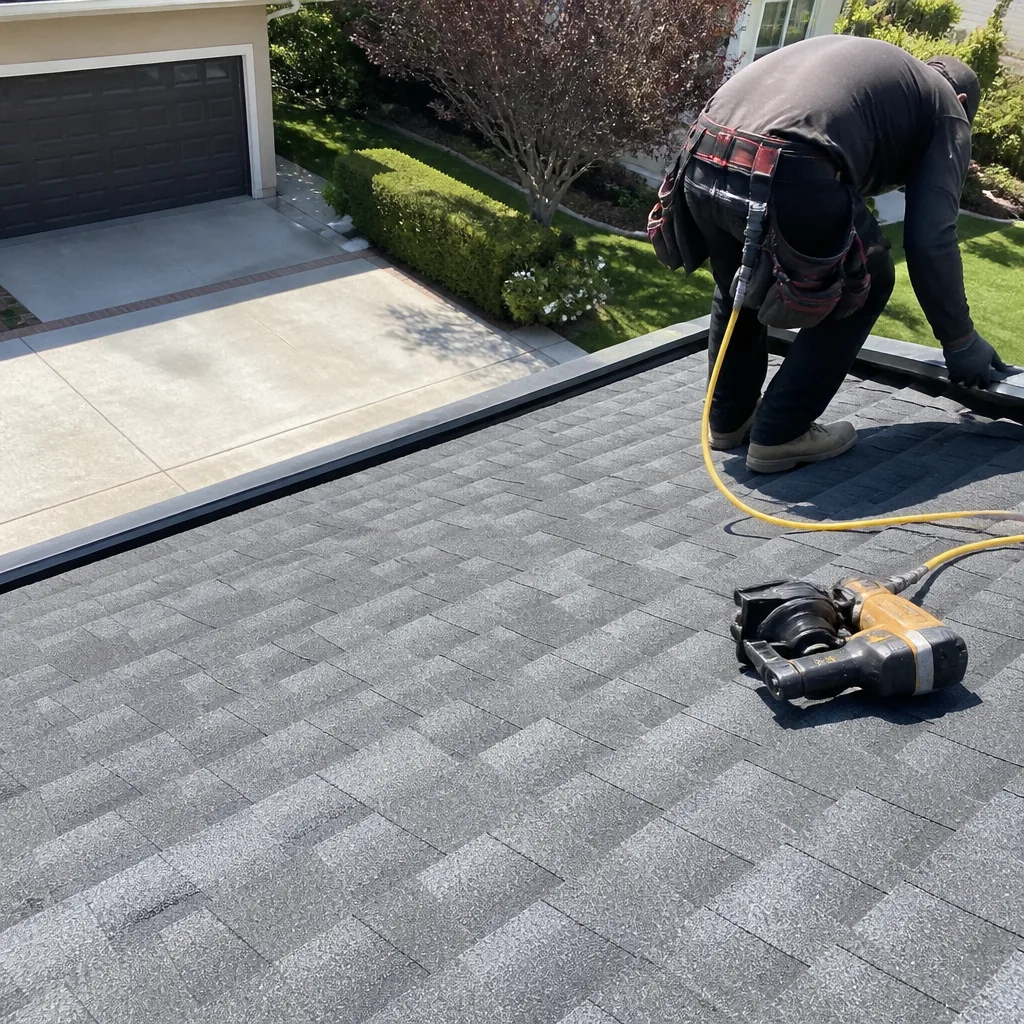
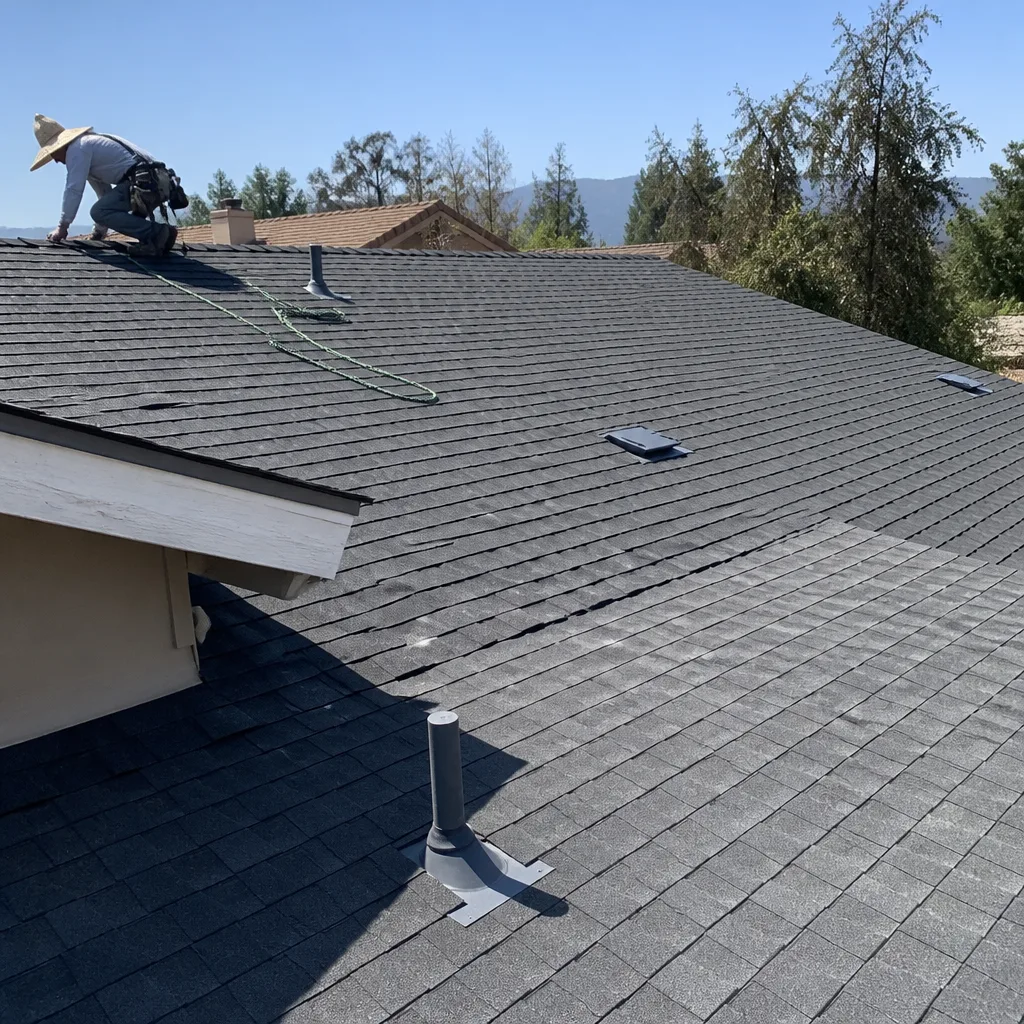
See the difference
 Before
 After
After Before
 After
After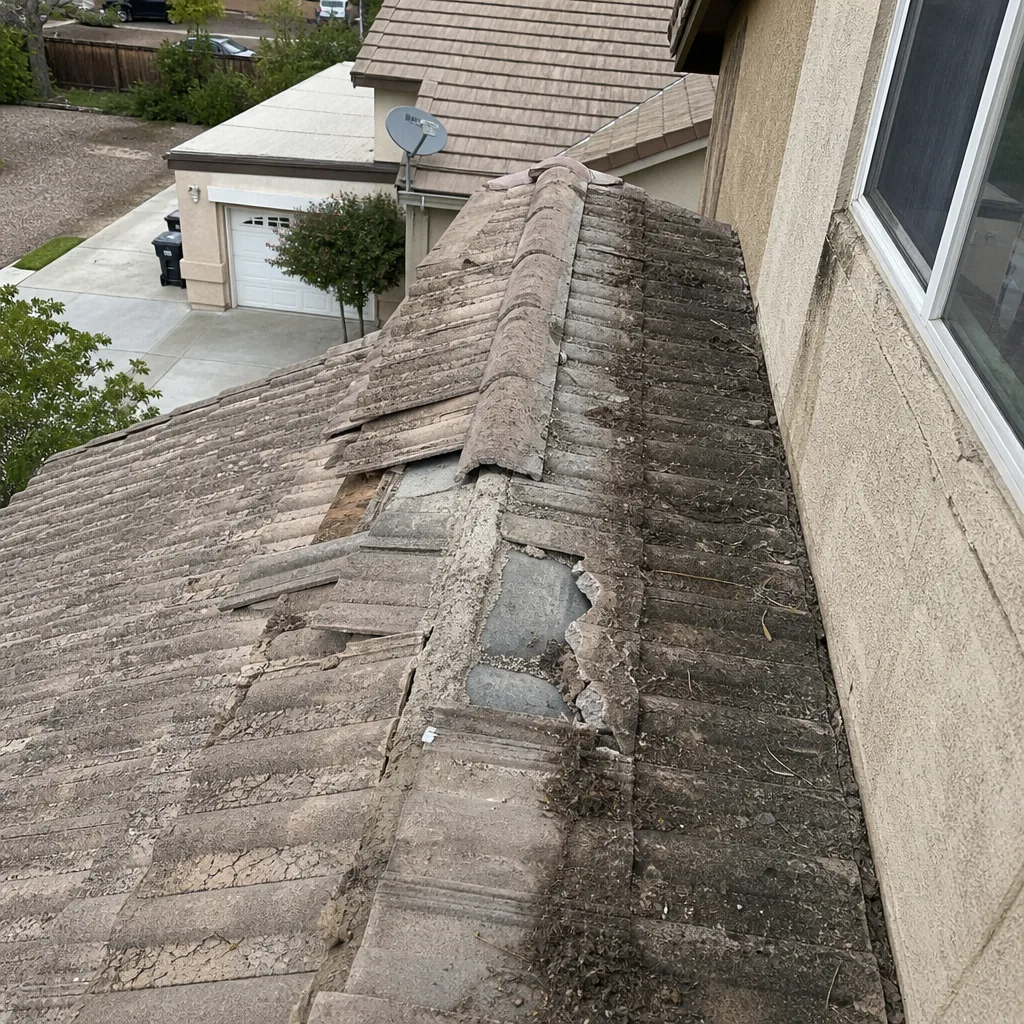 Before
 After
After