
Last updated October 17, 2026
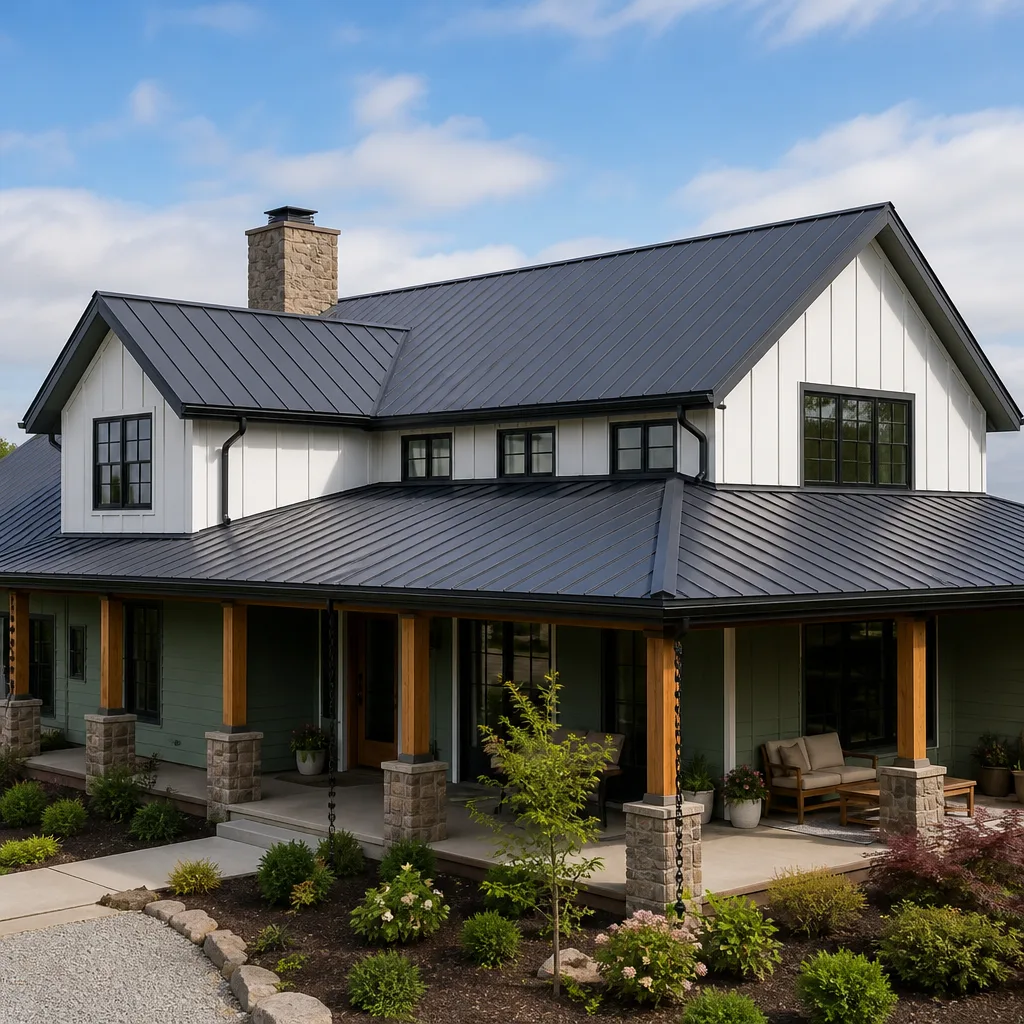 Metal roofing
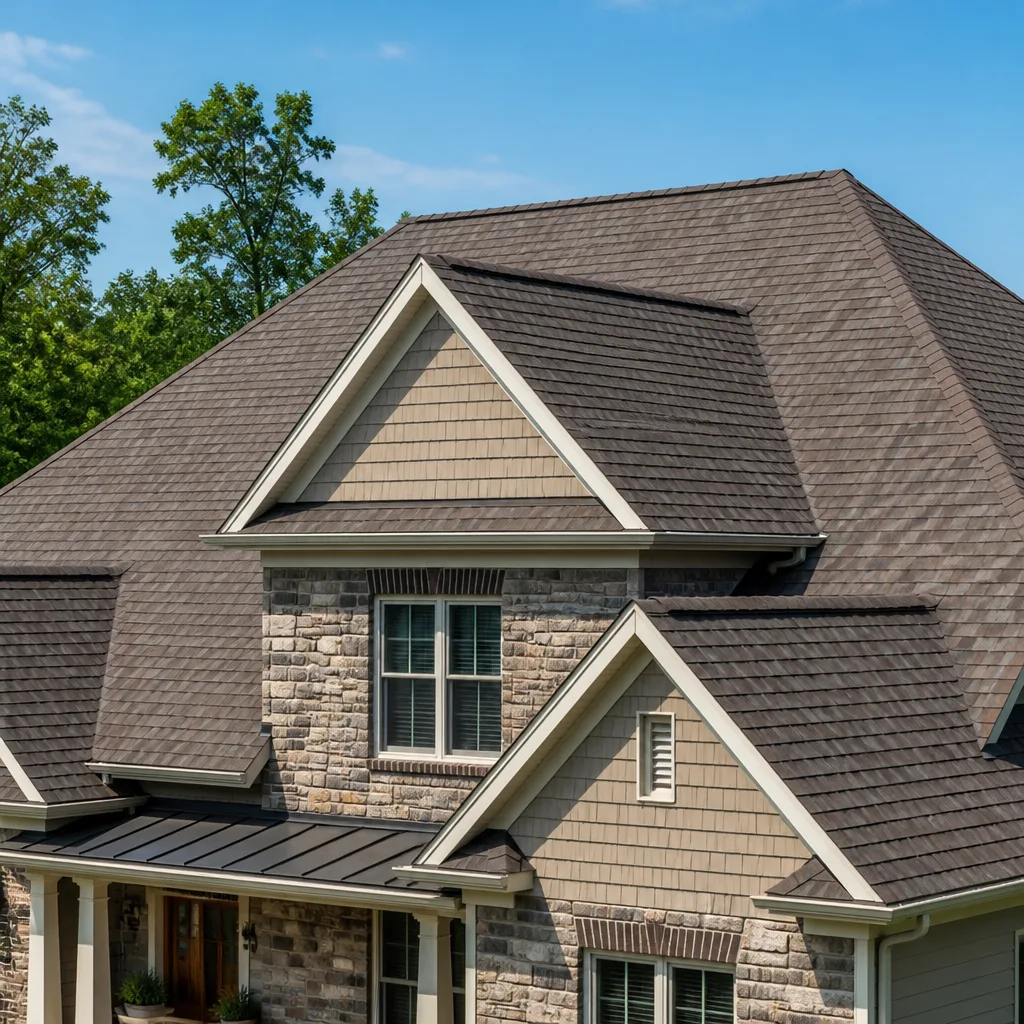 Architectural shingles
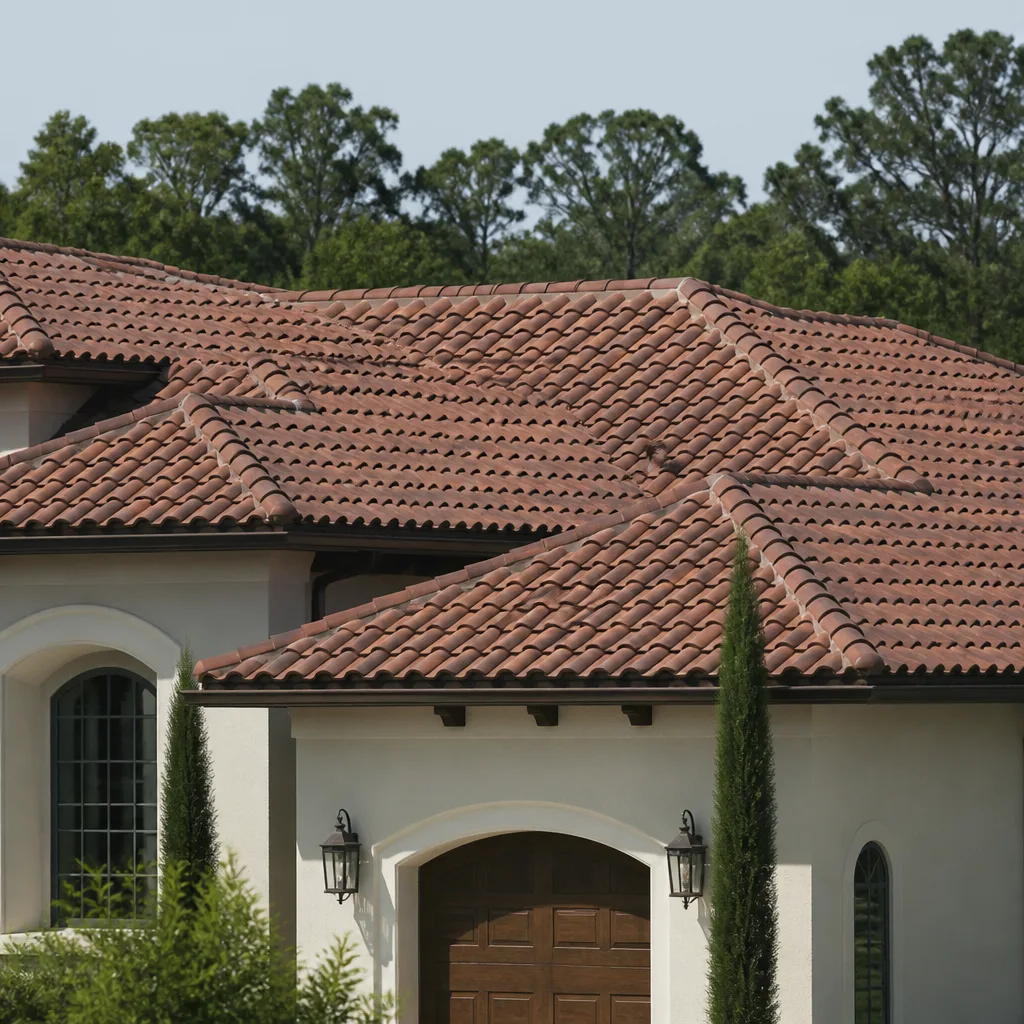 Tile roofing
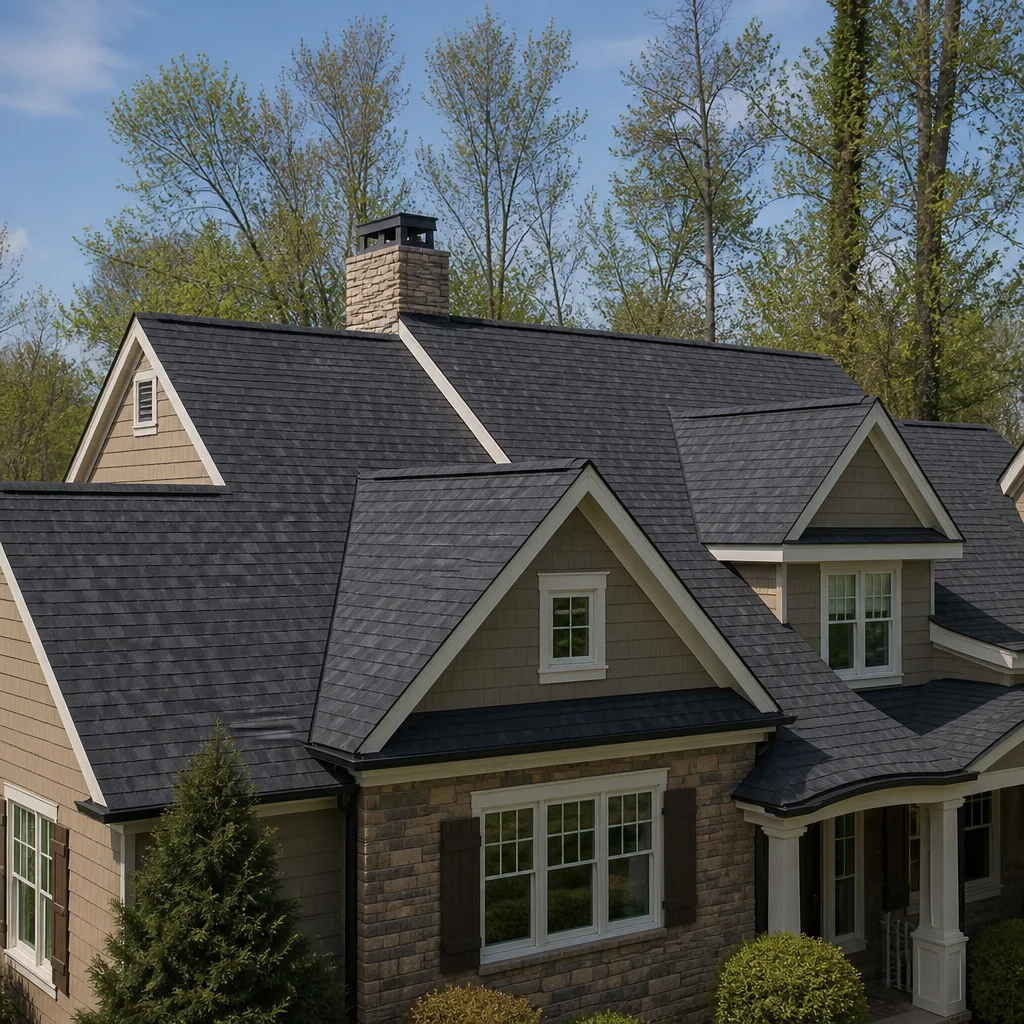 GAF
GAF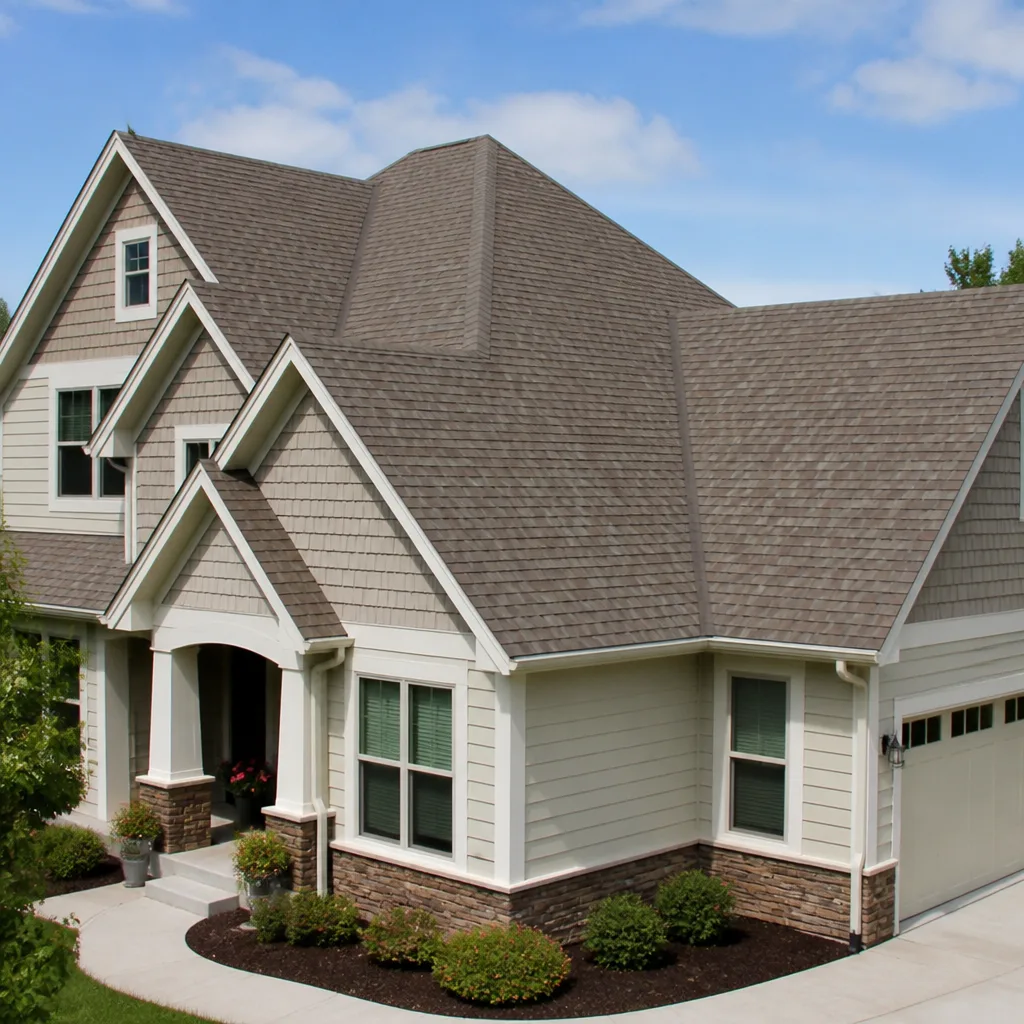 Owens Corning
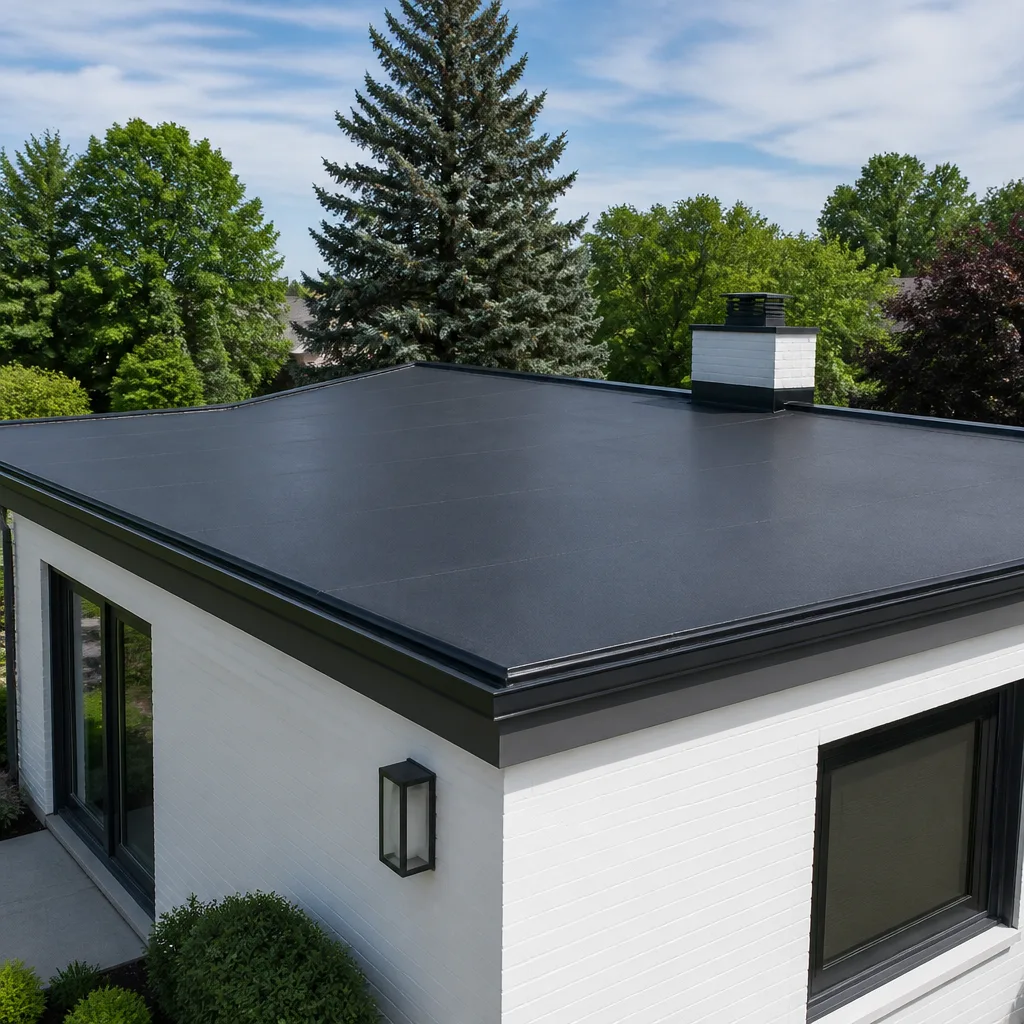 Flat & low-slope
Free roof inspection with deck photos before we talk money - GAF and Owens Corning certified installation
Roofing Cost Breakdown: The Santa Clarita Homeowner’s Reference for 2026
The average Santa Clarita homeowner collects three roofing quotes, picks the middle one, and never learns whether they chose wisely. Not because they didn’t do the homework, but because all three quotes were built differently. One contractor priced a full tear-off with 30-year shingles. Another priced a recover, which layers new shingles over old ones and saves a few thousand upfront but voids the manufacturer warranty. The third lumped everything into a single line that just says “roof replacement.” Comparing those documents is like comparing three grocery receipts written in different languages. This guide translates what actually sits inside a roofing bid so you can line up quotes from three different Santa Clarita roofers and compare them line by line, apple to apple, with no surprises when the invoice arrives.
Styles & brands we work with
Quick Answer
Roofing costs in Santa Clarita in 2026 run from roughly $8,500 for a basic asphalt shingle replacement on a small tract home to $35,000+ for a concrete tile roof on a larger home in Valencia or Stevenson Ranch. The same roof can draw quotes $4,000 to $12,000 apart because contractors itemize different things: decking replacement, permit fees, haul-away, and underlayment grade all hide in the gaps between quotes. The way to compare fairly is to demand line-item pricing and agree in writing on per-sheet decking rates and hourly change-order rates before work begins.
Table of Contents
- What Roofing Actually Costs in Santa Clarita in 2026
- The Line Items That Should Be in Every Quote (and the Ones That Get Left Out)
- Why Santa Clarita Labor Costs Run Higher Than the LA Basin Average
- How to Price a Change Order Before It Happens
- The True Cost of the Cheapest Bid: What Gets Cut at 20% Below Market
- How to Compare Three Quotes on Equal Terms
- The Three Most Common SCV Roof Types and Their 2026 Price Ranges
- Common Mistakes to Avoid
- When to Call a Professional
- Frequently Asked Questions
- The Bottom Line
What Roofing Actually Costs in Santa Clarita in 2026
Let’s start with real numbers. These are the ranges we see on actual jobs across Santa Clarita, not averages pulled from national databases that don’t account for Southern California fire codes or SCV labor conditions.
For an asphalt shingle roof on a standard 2,000 to 2,400 square foot tract home in Saugus, Canyon Country, or Valencia, a full tear-off and replacement with architectural shingles runs $11,500 to $16,800 in 2026. That includes tear-off, haul-away, synthetic underlayment, drip edge, new flashing, and a standard manufacturer warranty. If you have a two-story home with steep pitches, expect the upper end of that range or slightly beyond.
Concrete tile replacement, which is common in older Valencia neighborhoods and Stevenson Ranch, runs $18 to $26 per square foot installed when you factor in the tile, the underlayment system required by California code, and the labor to set and fasten tile. A full concrete tile roof on a 2,500 square foot home typically lands between $28,000 and $40,000 depending on tile profile and whether the existing underlayment has failed.
For the flat or low-slope sections you’ll find on many 1990s-era SCV homes, TPO membrane replacement runs $9 to $14 per square foot. A typical 500 to 800 square foot flat section costs $5,500 to $11,500. Many Santa Clarita homes have partial flat roofs over room additions or patio covers, so these numbers matter even if your main roof is tile or shingle.
| Roof Type | Typical Size | 2026 Price Range | Cost Per Square Foot |
|---|---|---|---|
| Asphalt shingle, full tear-off | 2,000 – 2,400 sq ft | $11,500 – $16,800 | $5.75 – $7.00 |
| Concrete tile replacement | 2,500 sq ft | $28,000 – $40,000 | $11.20 – $16.00 |
| TPO low-slope membrane | 500 – 800 sq ft | $5,500 – $11,500 | $9.00 – $14.00 |
| Roof repair (minor leak, flashing, small patch) | N/A | $450 – $1,200 | N/A |
| Roof repair (larger repair, multiple shingles, valley work) | N/A | $1,200 – $3,500 | N/A |
These are the numbers we work with daily at Crestview Roofing Co Santa Clarita. We put them here because a homeowner who knows the range before calling is a homeowner who can spot an outlier quote in either direction. If one bid comes in at $6,800 for a full shingle tear-off on a 2,200 square foot house, something is missing from that bid. Either the underlayment is builder-grade felt instead of synthetic, the decking isn’t quoted, or the permit fee line item simply doesn’t exist. More on that below.
The Line Items That Should Be in Every Quote (and the Ones That Get Left Out)
A roofing quote that helps you is one you can audit. A roofing quote that hides things is one you cannot. Here’s what a complete, honest bid from a Santa Clarita roofer should contain, line by line.
Tear-off and disposal
This covers removing the old roof down to the decking and hauling the debris away. In Santa Clarita, disposal costs have climbed because the nearest approved waste facilities are a drive, and fuel surcharges apply. Most quotes include tear-off as a single line. What you want to confirm is that haul-away and dump fees are inside that line, not billed separately at the end. Some contractors quote tear-off low and then add a “disposal fee” that shows up for the first time on the final invoice.
Decking replacement (per sheet)
This is the line item most often missing from cheap bids, and it’s the line item that most often causes mid-job price increases. Decking, also called sheathing, is the plywood or OSB layer beneath your roofing material. If it’s rotted, water-damaged, or delaminated, code requires replacement before new roofing goes on.
A responsible quote includes a stated rate per sheet of decking, such as “$85 per sheet of OSB if replacement is needed.” That way, if the crew tears off the old roof and finds three sheets of water-damaged decking, the math is already agreed: three sheets times the stated rate. No negotiation, no surprise. A quote that says “decking replacement as needed” with no number attached is a blank check. In Santa Clarita, where afternoon heat bakes roofs and old leaks hide beneath layers of shingles, decking replacement on at least a few sheets is common on homes over 20 years old. If you see no decking line, ask for it before you sign anything.
Underlayment grade (this is where cheap quotes cut corners)
Underlayment is the water-resistant barrier between your decking and your shingles or tile. California building code requires at least one layer, but the grade of that layer varies wildly. Builder-grade #15 felt is cheap but tears easily and degrades faster under SCV heat. Synthetic underlayment costs more and lasts longer. A high-quality quote names the underlayment brand and grade, such as “CertainTeed DiamondDeck synthetic underlayment.” A cheap quote just says “underlayment included.” That one word difference is worth $800 to $1,500 on a full replacement. This is a line where many homeowners unknowingly accept a downgrade.
Flashing
Flashing is the metal strips that seal the joints where your roof meets a wall, chimney, vent pipe, or skylight. A proper quote itemizes new flashing at every penetration and every transition point. Cheap bids reuse old flashing, which is like putting new tires on a car with cracked rims. In Santa Clarita, where wildfire season brings high winds and hard rain in short bursts, flashing failure is a leading cause of leak calls we get every winter.
Permit fees
The City of Santa Clarita requires a building permit for a full roof replacement, and permit fees are calculated on the valuation of the work. On a $15,000 roof replacement, city permit fees typically run $400 to $900. If your quote doesn’t mention permits, one of two things is happening: the contractor intends to work without a permit, or they intend to bill you for the permit later. Neither is acceptable. A legitimate Santa Clarita roofer pulls the permit, lists it as a line item, and clears the final inspection before the job closes.
Warranty tier
Manufacturer warranties come in tiers. A basic GAF or CertainTeed shingle carries a limited lifetime warranty on materials but labor is not included in the base tier. Upgraded tiers include labor coverage for a set number of years and require the contractor to be factory-certified. A quote that just says “lifetime shingle warranty” isn’t telling you the full story. Ask what the labor coverage is and for how long. Material-only warranties mean that if the shingle fails in year 4, the manufacturer sends a check for $400 in shingles and you pay the full labor cost to install them. That’s not much of a warranty.
Here’s a quick checklist of the seven line items every honest Santa Clarita roofing quote should contain:
- Complete tear-off of existing roof, including all layers
- Haul-away and disposal fees stated explicitly
- Decking replacement at a stated per-sheet rate
- Named underlayment brand and grade
- New flashing at all penetrations and transitions
- City permit fees as a separate line item
- Warranty terms with labor coverage period stated in years
Any quote missing two or more of these is not a quote you can compare against another. It’s a number with gaps in it, and those gaps become change orders.
Why Santa Clarita Labor Costs Run Higher Than the LA Basin Average
If you’ve compared notes with a friend in Pasadena or Long Beach, you may have noticed their roofing quotes came in lower than yours. That’s not your roofer marking things up. Santa Clarita roofing labor costs run 8% to 15% higher than most of the LA Basin, and the reasons are specific to this valley.
First, drive time. Most roofing crews are based in the San Fernando Valley or the Antelope Valley. Getting to Saugus, Canyon Country, or Valencia means a 30 to 60 minute commute each way, often against traffic on the 5 or the 14. Time spent in the truck is time not spent on a roof, but the crew still gets paid for it. Contractors fold that dead time into their hourly rates.
Second, the heat. Santa Clarita summers routinely hit 100°F, and a rooftop surface in July can reach 160°F. Roofing crews physically cannot work at full speed under those conditions for the same number of hours a crew in a coastal climate can. They start earlier, take longer breaks, and hydrate constantly. Productivity drops. Hourly output drops. The cost of covering that lost productivity lands on the quote. This isn’t a weak excuse; it’s what keeps workers from getting heatstroke on a Valencia roof in August.
Third, material surcharges tied to wildfire-zone requirements. Significant portions of Santa Clarita sit in High Fire Hazard Severity Zones designated by Cal Fire. That triggers stricter underlayment requirements and, in some cases, specific assembly standards for homes in Wildland-Urban Interface areas. Fire-rated materials and the labor to install them correctly cost more. A roofer pulling permits in Valencia knows exactly which zone your home sits in and prices accordingly. A roofer who quotes without checking the fire zone is either inexperienced or not planning to pull permits. Neither is someone you want on your roof.
How to Price a Change Order Before It Happens
A change order is any additional work discovered after the contract is signed. In roofing, the most common change orders are decking replacement, fascia board replacement, and gutter re-alignment. The frustrating part for homeowners isn’t that change orders happen. It’s that they feel like a trap, because the pricing was never discussed until the problem was already open and visible.
The solution is to price the change order before the work starts. This is standard practice in commercial roofing contracts and almost unheard of in residential ones, which is exactly why we standardize it at Crestview. Here’s the process:
- Ask for the per-sheet decking rate in writing before signing. A fair 2026 rate in Santa Clarita is $80 to $110 per sheet of OSB depending on thickness. If a contractor won’t commit to this number upfront, assume they’re planning to charge more when they have leverage.
- Ask for the hourly rate for unforeseen conditions. This covers anything that isn’t decking: rotted fascia, damaged rafter ends, or chimney work. A reasonable 2026 rate for a licensed Santa Clarita roofer is $85 to $125 per hour for a two-person crew.
- Require written change order approval before any additional work begins. No verbal agreements during the job. If the foreman says “your fascia is rotted and needs replacing,” the response is “send me the change order with the price, I’ll sign it, then you can do the work.” A professional roofer respects this. A roofer who argues against it is not someone you want mid-project.
- Cap the total change order exposure in the contract. This is a sentence that says “total change orders shall not exceed 15% of the contract price without written homeowner approval.” It protects you from a $5,000 surprise on a $15,000 job.
This four-step process turns change orders from a moment of vulnerability into a non-event. The roofer knows exactly what they can charge. You know exactly what you will pay. The uncertainty disappears, which is the whole point.
The True Cost of the Cheapest Bid: What Gets Cut at 20% Below Market
When a Santa Clarita roofing quote comes in 20% below the other two bids, something was deliberately removed. Roofing materials and labor costs do not vary by 20% between licensed, insured contractors working in the same city. So the gap has to come from somewhere. Here’s what gets cut.
Underlayment grade
A contractor can save $1,000 to $1,800 on a full roof replacement by using #15 felt instead of synthetic underlayment. #15 felt tears more easily during installation, wrinkles under heat, and degrades faster. It meets the minimum code requirement in some applications, which means the roofer is technically within the law while delivering a materially worse roof. You don’t know the difference unless the quote names the underlayment product, which cheap quotes never do.
Fastener schedule
Shingles need to be nailed a certain number of times per shingle at specific placements to meet the manufacturer’s wind warranty. In a high-wind zone like Santa Clarita, where Santa Ana events can gust to 60 mph, proper nailing matters. A contractor can reduce the number of nails per shingle by 25% and save roughly 10% on labor time per square. The shingles look identical from the ground. The warranty becomes void. You find out after the first hard wind tears off a corner section.
Warranty tier
Base-tier manufacturer warranties cover materials only, for a limited number of years, with no labor coverage. Upgraded tiers through certified installers include labor for 10, 25, or even 50 years depending on the system. The upgrade costs the contractor money in certification fees and slightly more in materials. A cheap bid typically quotes the base tier, which saves the contractor money and leaves you holding the labor bill if the roof fails.
Flashing and metal work
Re-using old flashing saves a few hundred dollars in materials and an hour or two of labor. It also means the most leak-prone part of your roof is the same metal that was failing before you paid for a new roof. Cheap quotes almost always say “replace flashing as needed” rather than “replace all flashing.” That phrasing alone is worth scrutinizing.
Workers’ compensation insurance
This is the ugly one. Roofing is dangerous work, and workers’ compensation insurance in California is expensive. Some low-bid operators either don’t carry it or underreport their payroll. If a worker falls off your roof and the contractor has no workers’ comp, the homeowner’s insurance policy can be the target of the claim. That’s not a hypothetical. That’s how litigious this gets. Always verify a roofer’s license and workers’ comp certificate before signing. If the quote is 20% under market and the contractor can’t produce a valid certificate, the savings weren’t in materials. They were in risk, and you’d be the one carrying it.
The pattern here is consistent: the cheapest bid saves money by transferring risk to the homeowner. Sometimes that risk is financial, like a voided warranty. Sometimes it’s physical, like a roof that blows off in a Santa Ana event. Sometimes it’s legal, like an uninsured worker on your property. None of those savings are worth the price.
How to Compare Three Quotes on Equal Terms
You’ve received three quotes from three Santa Clarita roofers. The numbers are different. How do you compare them without a construction background? The answer is to build a simple comparison matrix using the seven line items from earlier in this guide. This isn’t complicated, and it takes twenty minutes.
Start with a table. Down the left side, list the seven line items: tear-off, haul-away, decking rate, underlayment grade, flashing, permit fees, and warranty terms. Across the top, list your three roofing companies. Fill in each cell with what the quote actually says. If a cell is blank because the quote doesn’t address that line item, write “NOT SPECIFIED” in red. That blank cell is where your future change order lives.
- Eliminate any quote missing more than two line items. That’s not a quote. That’s a rough number with gaps. Comparing it to a complete quote is meaningless.
- Add 15% to any quote that doesn’t price decking per sheet. This isn’t punishment. It’s a realistic contingency for what decking replacement typically costs on a Santa Clarita home over 15 years old.
- Normalize the warranty tiers. If one quote includes a 50-year labor warranty through a certified installer and another only covers materials for 20 years, add $2,500 to $4,000 to the second quote to reflect what labor coverage would cost if purchased separately.
- Look at the underlayment line. If one quote names a synthetic product and another just says “underlayment included,” add $1,200 to the second quote as the likely price of upgrading to an equivalent product.
- Now compare the adjusted totals. This is the closest you’ll get to an apples-to-apples comparison. The result is usually that the middle quote was reasonably priced all along, the cheap quote is now within 5% of the others once you add back what was missing, and the expensive quote may be high because it includes extras you don’t actually need.
This process takes twenty minutes and closes the gap you started with: three quotes written in three different languages, now translated into one table you can actually read.
The Three Most Common SCV Roof Types and Their 2026 Price Ranges
Concrete tile replacement
Concrete tile roofs dominate the older neighborhoods of Valencia and Stevenson Ranch, especially homes built in the 1980s through the early 2000s. Tile is heavy, fire-resistant, and lasts decades when installed correctly. But the underlayment beneath tile has a lifespan of roughly 25 to 30 years, which means many original SCV tile roofs are now due for what the industry calls a “lift and relay” or a full replacement.
A full concrete tile replacement in Santa Clarita in 2026 runs $18 to $26 per square foot installed. On a 2,500 square foot home, that’s $28,000 to $40,000. The wide range reflects tile choice: flat profile tile is less expensive than high-profile S-shaped tile, and new tile costs more than reusing existing tile. Some contractors quote a “lift and relay,” which reuses your existing tile and replaces only the underlayment and fastening system, at roughly $14 to $18 per square foot. This can work if your tile is in good condition, but it requires careful inspection of each tile for hairline cracks that will fail later.
Concrete tile also requires specific fastening patterns under California seismic code. In Santa Clarita, which sits in a seismically active zone, tile must be fastened in accordance with the local building code and the tile manufacturer’s high-wind installation guide. The labor to set and fasten tile correctly is not a place to save money.
Asphalt shingle replacement on tract homes
Asphalt shingle roofs are the standard on tract homes built in the 1990s and later across Saugus, Canyon Country, and the newer sections of Valencia. Shingles are lighter, less expensive, and faster to install than tile. A full tear-off and replacement with architectural shingles on a 2,000 to 2,400 square foot home runs $11,500 to $16,800 in 2026.
Brand matters here. GAF, CertainTeed, and Owens Corning all make excellent architectural shingles, but they differ in warranty structure and regional pricing. A GAF Timberline HDZ or CertainTeed Landmark shingle carries a limited lifetime material warranty, and the upgraded systems include labor coverage through certified installers. We install all three brands at Crestview and quote them by name so you know exactly what you’re paying for.
The big variable in shingle pricing is the underlayment and the tear-off depth. Some Santa Clarita homes have two layers of shingles because a previous owner did a recover instead of a tear-off. Code limits you to two layers total, so a home with two layers already cannot add a third and must do a full tear-off. Removing two layers costs more than removing one, and that extra labor shows up in the quote.
Low-slope TPO on 1990s-era flat sections
Many Santa Clarita homes built in the 1990s have flat or low-slope roof sections over patio covers, room additions, or garage extensions. These sections were often originally done in built-up roofing or modified bitumen, both of which have lifespans measured in 15 to 20 years. By 2026, most of those original flat roofs have been through one or two patch repairs and are nearing replacement.
TPO (thermoplastic polyolefin) is now the standard material for these sections. It’s a white single-ply membrane that reflects heat, which matters when you live in a valley that hits triple digits every summer. TPO membrane replacement in Santa Clarita runs $9 to $14 per square foot. A typical 500 to 800 square foot flat section costs $5,500 to $11,500. The cost depends on the membrane thickness (60 mil is standard, 80 mil costs more), the insulation layer beneath it, and whether the decking below needs replacement.
Flat roof pricing is frequently underestimated because homeowners think of it as a small add-on to a main roof replacement. But low-slope work requires different materials, different flashing details, and different labor skills than pitched roofing. When a flat section fails, it fails visibly and quickly: water pools, finds a seam, and drips into the living room below. We recommend treating flat roof sections as their own line item in any full roof quote, with the membrane brand and thickness named explicitly.
Common Mistakes to Avoid
- Accepting a quote without a decking line item. Decking replacement is the number one source of mid-project cost increases on Santa Clarita homes over 15 years old. If it’s not priced per sheet, it’s not priced at all.
- Comparing quotes on total price alone. A $12,000 quote and a $16,000 quote aren’t four thousand dollars apart. They’re usually $800 apart once you add back the missing underlayment grade, the unquoted decking contingency, and the lower warranty tier.
- Skipping the permit. The City of Santa Clarita requires permits on full roof replacements, and permits trigger inspections. A roofer who offers to skip the permit to save you $600 is offering to skip the code compliance that protects your home. If you sell the house later, unpermitted work shows up on the disclosure documents and becomes your problem.
- Signing a contract that doesn’t name materials. “Shingles” is not a material specification. “GAF Timberline HDZ architectural shingles in Charcoal” is. If the contract doesn’t name the product, the roofer can deliver whatever is cheapest that week.
- Paying the full contract price upfront. California law limits the deposit a contractor can collect to 10% or $1,000, whichever is less. Beyond that, payments should be tied to milestones. A roofer who asks for 50% upfront is asking for trouble.
- Hiring a roofer without verifying workers’ compensation coverage. If a worker gets hurt on your roof and the contractor has no workers’ comp, the financial consequences can land on you. Always ask to see the certificate before work starts.
- Ignoring the warranty’s labor provision. A “lifetime shingle warranty” with no labor coverage is a material reimbursement, not a roof warranty. Read the labor coverage period and make sure it’s in writing.
When to Call a Professional
Some roofing situations are clearly DIY-friendly: replacing a single torn shingle on a one-story roof with an easy pitch, clearing debris from a gutter, or snapping a photo of a stain to monitor over time. Other situations are not. If you see daylight through your attic boards, water staining on the ceiling, shingles curling or cracking across large sections, or granules collecting in your gutters by the handful, those are signs of systemic roof failure and the work involved is dangerous. Roofing is one of the most hazardous trades in construction, and the fall protection, ladder work, and material handling involved in even a simple repair are not things to improvise. High-heat working conditions at Santa Clarita roof height make every step riskier. A professional roofer arrives with the training, the tied-off equipment, the insurance, and the experience to do the work without anyone getting hurt. Our Crestview Roofing Co Santa Clarita home page walks through what sets our process apart. For repair work, see Roof Repair in Santa Clarita. For larger projects, review Roof Replacement in Santa Clarita. Crestview Roofing Co Santa Clarita offers free estimates in Santa Clarita – call (661) 219-7793.
Frequently Asked Questions
A full roof replacement in Santa Clarita in 2026 typically costs $11,500 to $40,000 depending on roof type, size, and materials. Asphalt shingle replacement on a 2,000 to 2,400 square foot home runs $11,500 to $16,800, while a concrete tile roof replacement on a larger home runs $28,000 to $40,000 or more. Call (661) 219-7793 for a free estimate with line-item pricing on your specific roof.
Roofing quotes vary by $4,000 to $12,000 for the same Santa Clarita home because contractors itemize different line items, not because the work itself costs different amounts. Decking replacement, underlayment grade, flashing replacement, and permit fees are the items most commonly missing from low bids. Ask each contractor to itemize these lines and compare them side by side.
The City of Santa Clarita requires a building permit for a full roof replacement, and the permit triggers inspections by city code enforcement. Permit fees typically run $400 to $900 depending on the valuation of the work. A legitimate roofer pulls the permit, lists it as a line item, and clears final inspection before closing the job.
Most roof repairs in Santa Clarita run $450 to $3,500 depending on scope. Minor repairs like small leaks, flashing replacement, or single-shingle replacement run $450 to $1,200. Larger repairs involving valleys, multiple shingles, or structural decking run $1,200 to $3,500. Every repair through Crestview Roofing’s repair service is covered by a 365-Day Done Right Promise in writing, with a free second visit if the repair fails.
If your Santa Clarita concrete tile roof is cracking, has visible underlayment failure, or is losing tiles during wind events, a full removal of the old underlayment and replacement of the tile is usually the right call. If the tile itself is in good condition but the underlayment is failing, a lift and relay that reuses your existing tile can cost 25% to 35% less than a full replacement. A professional inspection determines which option applies to your roof.
It won’t if your contract includes a stated per-sheet decking rate and a written change order process requiring your approval before any additional work begins. The most common mid-project price change is decking replacement, which is why we insist every quote includes a per-sheet rate in writing. With that agreed upfront, the only price changes are the ones you sign off on in advance. Ask us about this during your free estimate or see our approach on Roof Replacement in Santa Clarita.
Yes, we pull all required permits with the City of Santa Clarita as part of every full roof replacement. The permit fee appears as a line item on your written quote, and we clear the final inspection before the job is complete. Working without a permit on a full replacement is a risk to your home’s insurability and resale value, and we won’t do it.
A typical asphalt shingle roof replacement on a Santa Clarita tract home takes 2 to 4 working days from tear-off to final cleanup. Concrete tile replacement typically takes 5 to 8 working days. Weather, heat, and the condition of the decking beneath the old roof are the main variables. We factor all three into the schedule before work starts and keep you updated with before-and-after photo documentation.
The Bottom Line
Roofing in Santa Clarita costs real money, and the way to protect that money is visibility. Demand line-item quotes. Require a per-sheet decking rate. Verify the underlayment brand and warranty tier. Insist on a permit. Price change orders before the job starts. The roofer who can answer all of those requests in writing is the roofer you can trust. The roofer who resists, deflects, or says “don’t worry about it” is showing you how the next six weeks will go: uncertain, un-itemized, and expensive. Dylan Pace and the team at Crestview Roofing’s installation service put every dollar in writing before work begins. Crestview Roofing Co Santa Clarita offers free estimates with complete line-item breakdowns, a 365-Day Done Right Promise on every repair, and a live person answering the phone 24/7. Call (661) 219-7793 to schedule your free estimate and see exactly what your roof should cost before you spend a dollar on it.
Written by Dylan Pace, Owner at Crestview Roofing Co Santa Clarita, serving Santa Clarita since 2000.
See the difference
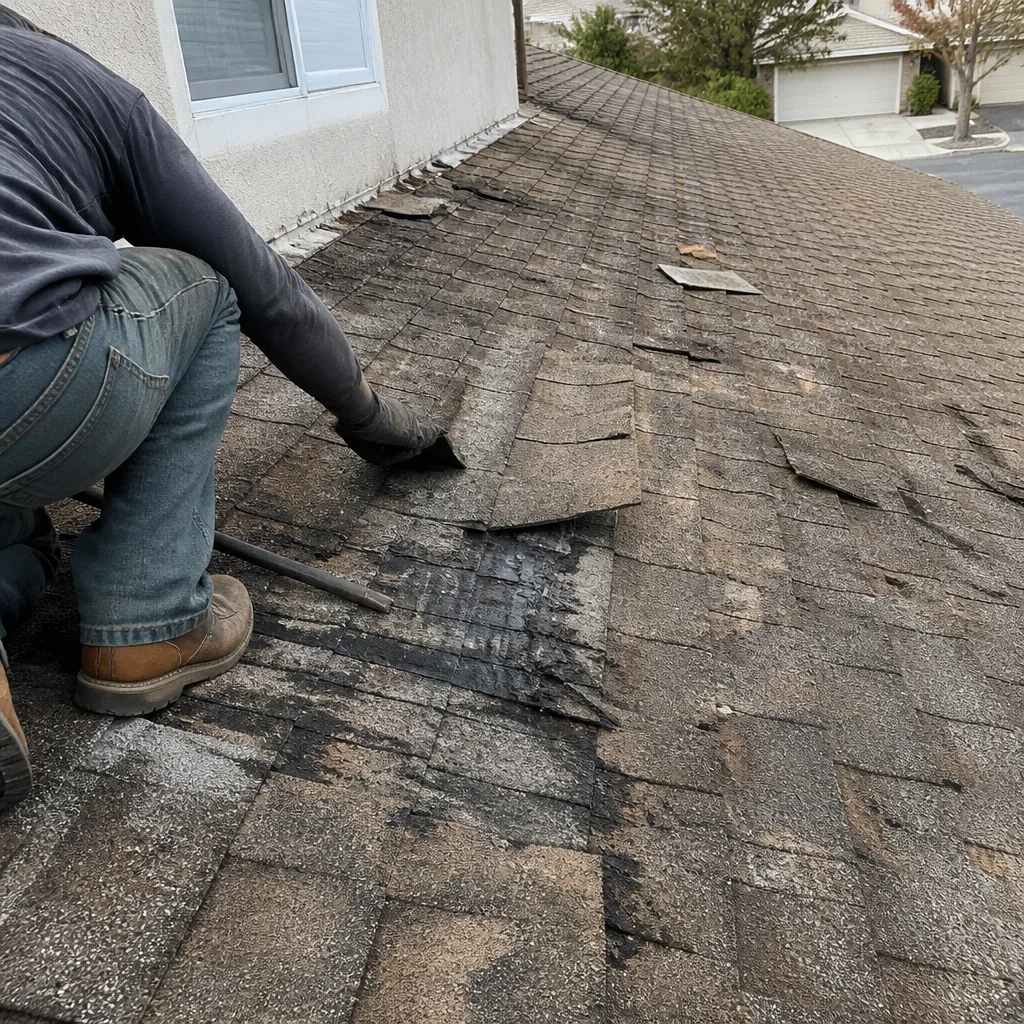 Before
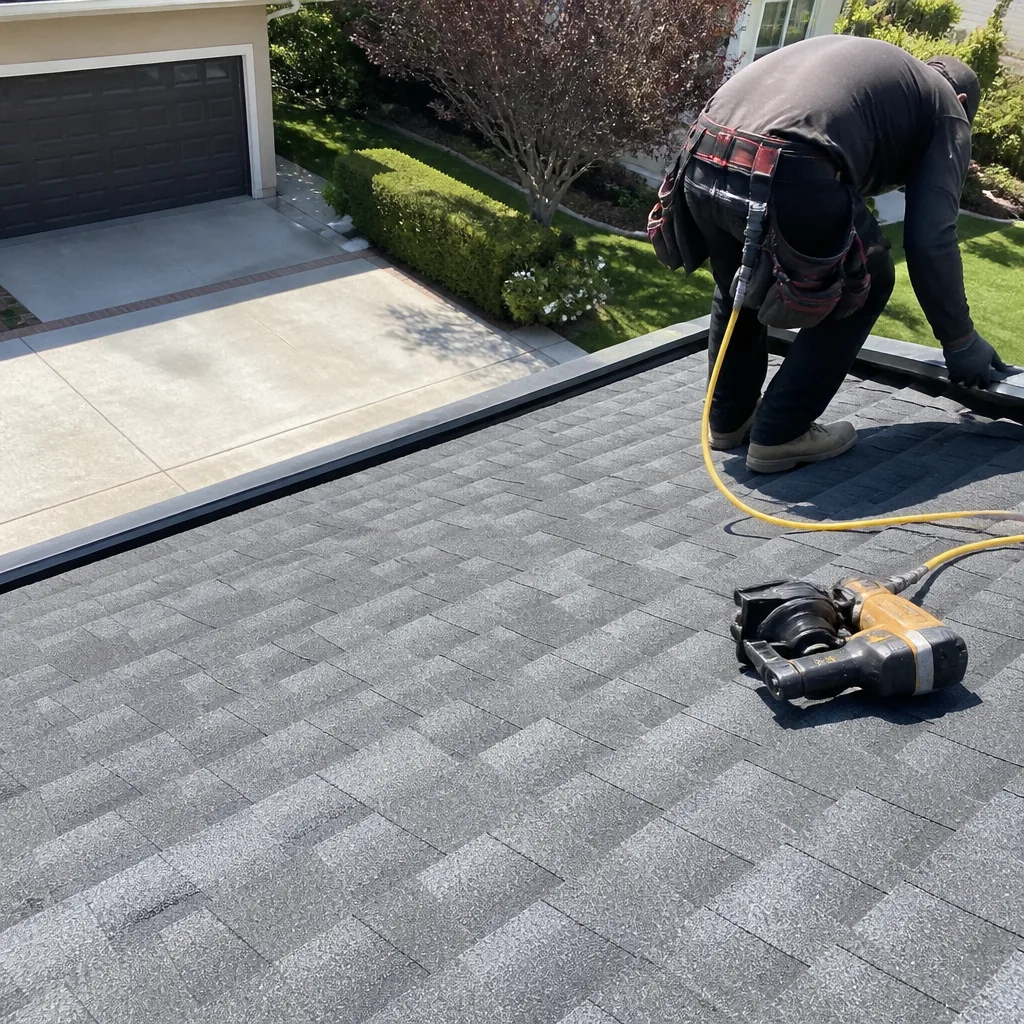
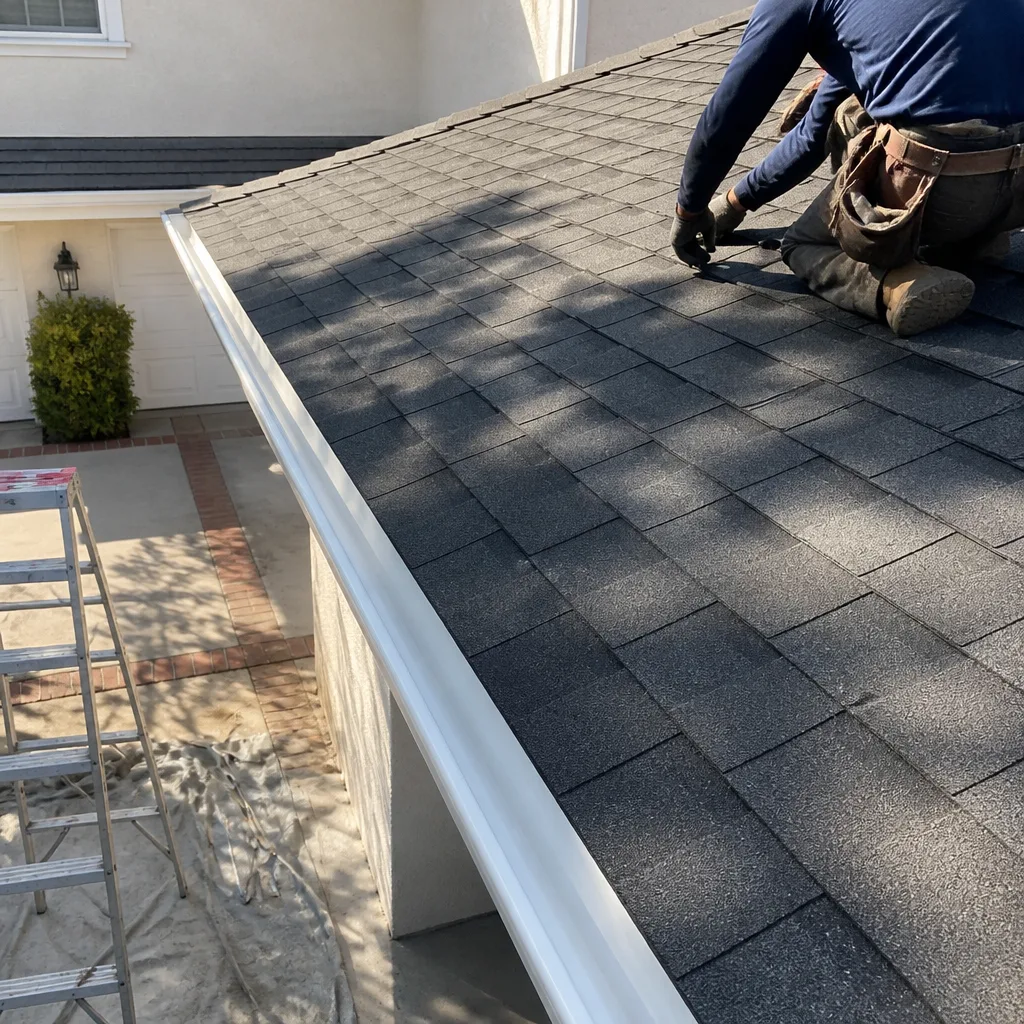 After
After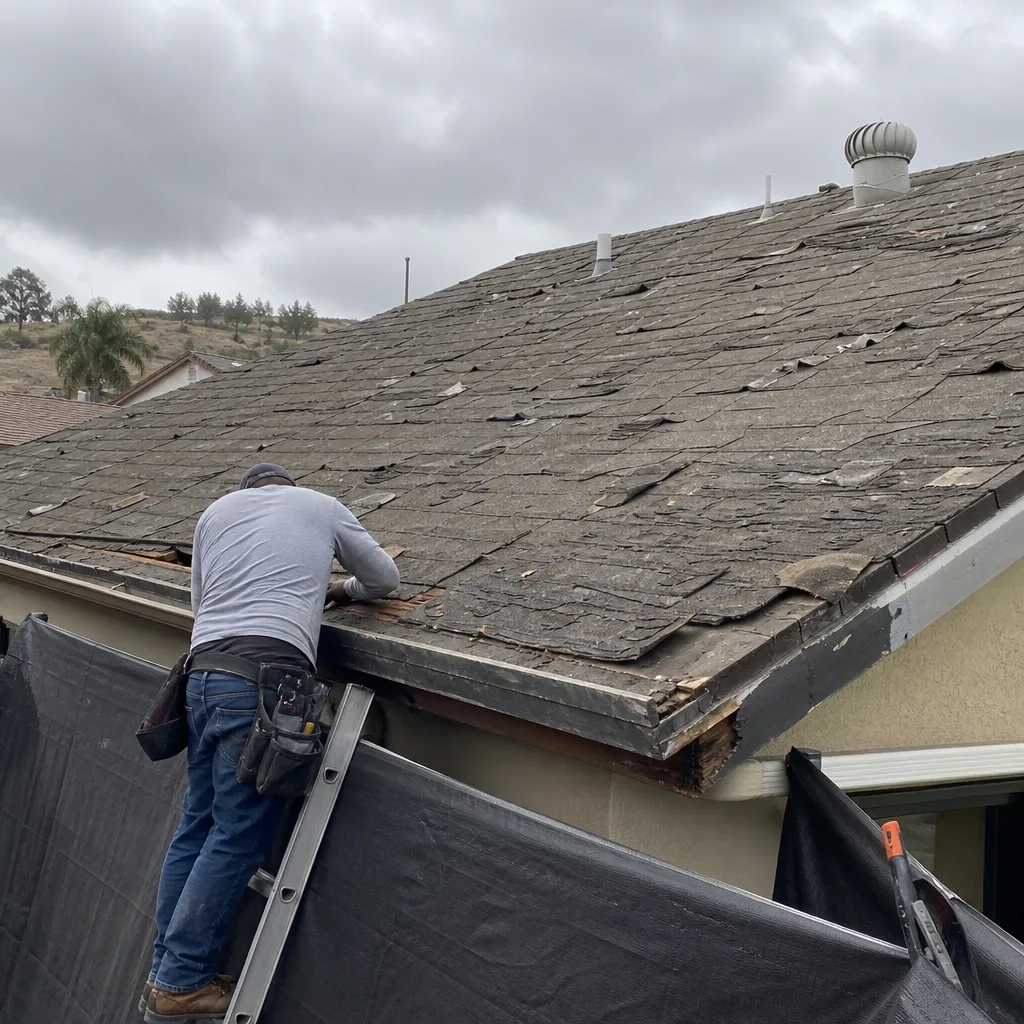 Before
 After
After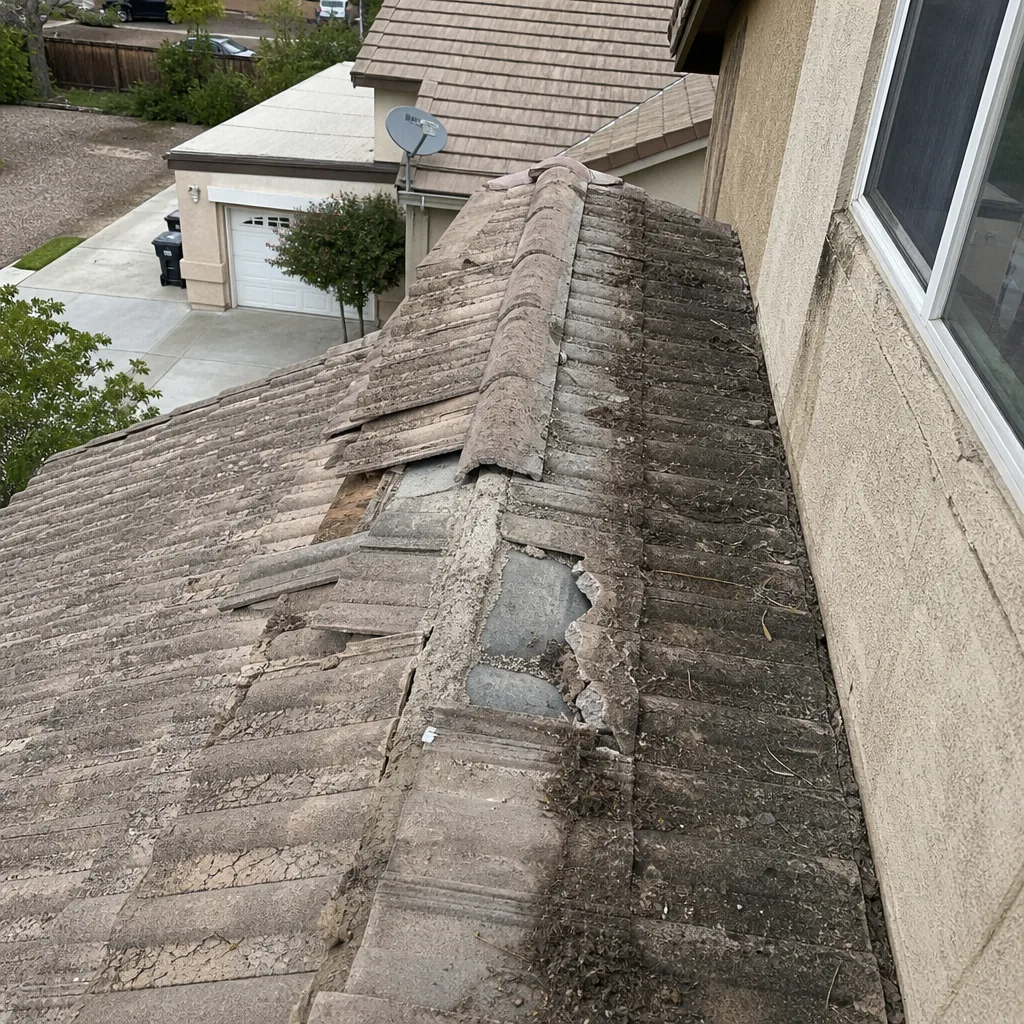 Before
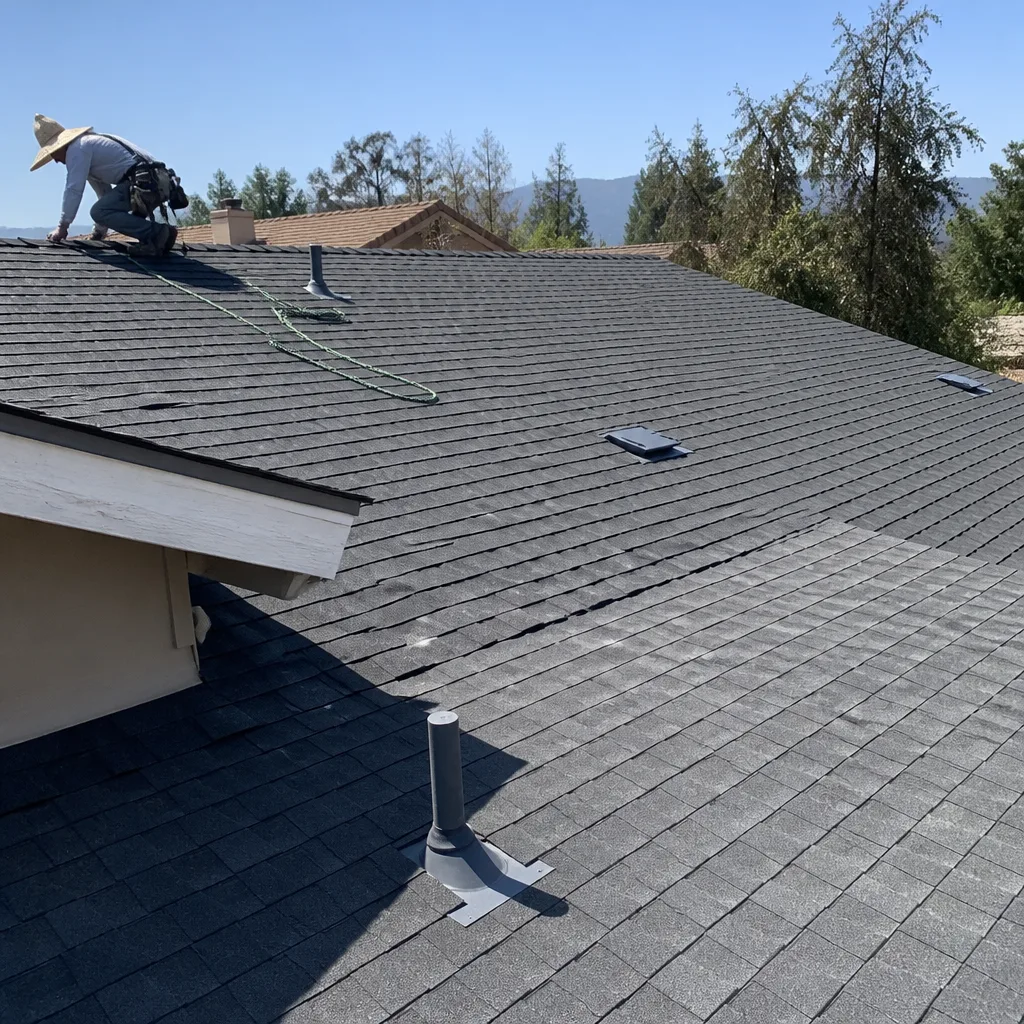 After
After